General, IT Company Website Design, SEO, Social Media, Web Design & Development, Website Design Services
HVAC Website Design: How to Build a High-Converting Website for Your HVAC Business
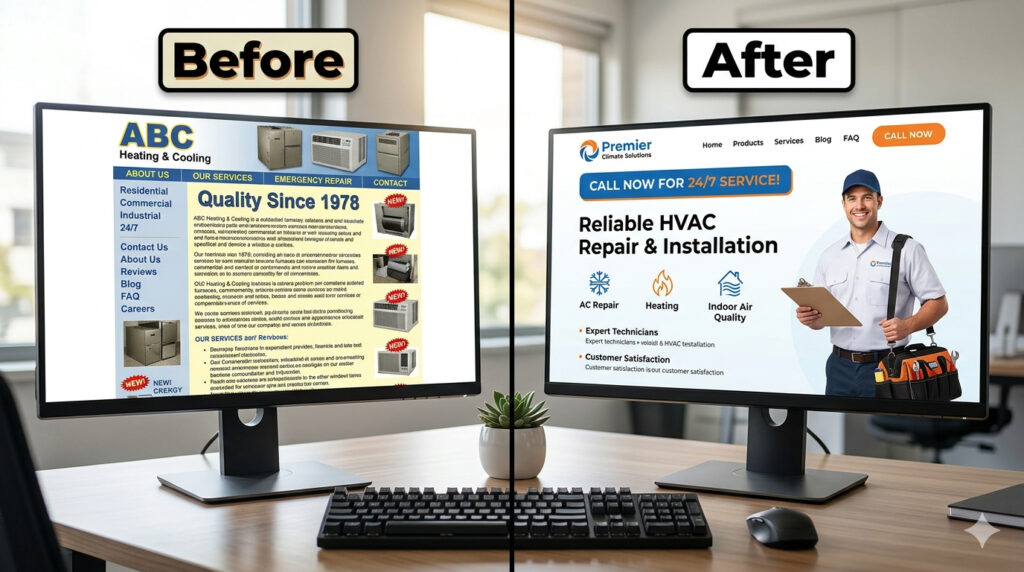
If you run a heating and cooling company, your website is your most important salesperson — and it works around the clock. Whether a homeowner’s furnace breaks at 2 a.m. or they’re shopping for an air conditioning upgrade in the middle of summer, the first thing they do is search Google. If your HVAC website doesn’t show up — or shows up but fails to impress — you lose that customer to a competitor who simply has a better-designed site.
This guide is written specifically for HVAC contractors who want to understand what makes a great HVAC website, what features drive real leads, and what to look for when hiring a web design company that specializes in home services. Whether you’re starting from scratch or ready to replace an outdated site, this is the resource you need.
Why HVAC Contractors Need a Professional Website in 2026
The HVAC industry in the United States is worth over $25 billion and growing. According to the U.S. Bureau of Labor Statistics, employment of HVAC mechanics and installers is projected to grow 9% through 2032 — faster than the average for all occupations. That means competition is heating up (pun intended), and the contractors who invest in their digital presence will capture the most customers.
Here’s the reality: 97% of consumers search online before choosing a local service business (BrightLocal, 2024). When a potential customer types “HVAC repair near me” or “AC installation [city name]” into Google, they are ready to spend money. They just need to find the right business. Your website is that first handshake.
A poorly designed, slow, or outdated HVAC website sends all the wrong signals:
- It tells customers your business might not be credible.
- It fails to appear in local Google search results.
- It doesn’t convert visitors into phone calls or form submissions.
A professionally designed HVAC website, on the other hand, builds immediate trust, answers the questions customers are already asking, and makes it frictionless to book a service call.
Must-Have Features for Every HVAC Company Website
Not all websites are created equal. A great HVAC contractor website isn’t just pretty — it’s built with specific goals in mind: get the phone ringing, fill the contact form, and keep customers coming back. Here are the non-negotiable features every HVAC website must include.
1. A Clear Call-to-Action (CTA) Above the Fold
The very first thing a visitor sees on your website — before they scroll even one inch — must tell them exactly what to do next. For HVAC companies, this is almost always one of two things:
- “Call Now: (555) 000-0000” — for emergency HVAC service calls
- “Get a Free Estimate” — for new installations and planned work
Your phone number should be clickable on mobile devices. Studies show that HVAC customers calling from a mobile phone are often in an urgent situation (broken AC in July, no heat in January). Make that call button impossible to miss.
2. Dedicated HVAC Service Pages
One of the biggest SEO mistakes HVAC companies make is putting all their services on a single page. Instead, create a dedicated page for each major service:
- AC Installation
- AC Repair
- Furnace Installation
- Furnace Repair
- Heat Pump Services
- HVAC Maintenance Plans
- Indoor Air Quality
- Commercial HVAC
- Emergency HVAC Service
Each page should be optimized for its own keyword. For example, a page titled “AC Repair in [Your City]” can rank independently on Google and capture highly targeted traffic from homeowners searching for exactly that service.

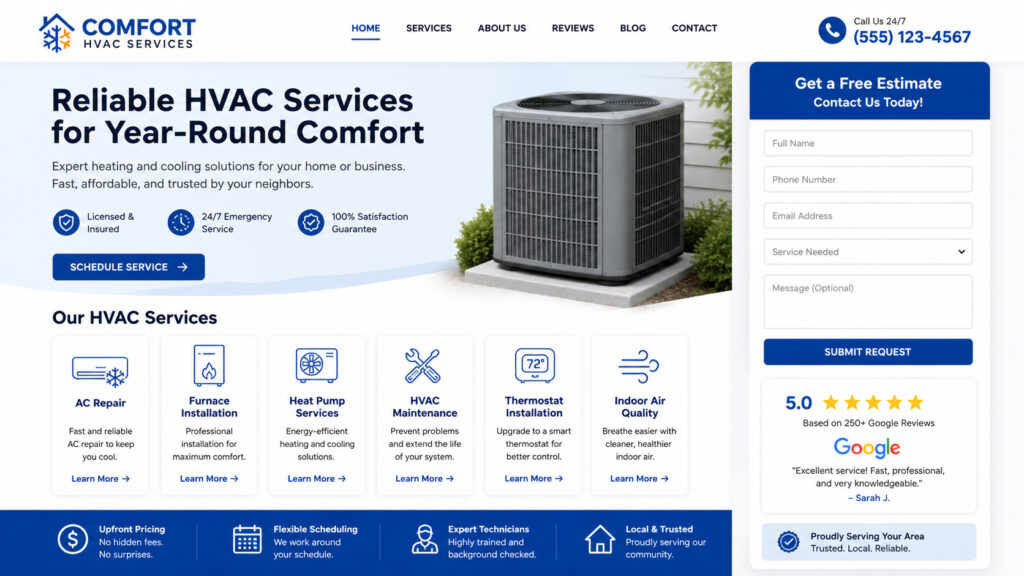
HVAC service page website layout mockup showing
3. Trust Signals That Convert Visitors Into Customers
HVAC is a high-trust industry. Technicians enter people’s homes, work on expensive equipment, and charge significant sums. Your website must answer the question every visitor is silently asking: “Can I trust this company?”
Key trust signals to include on your HVAC website:
- Google Reviews embedded or linked (shoot for 50+ reviews, 4.5 stars or higher)
- Better Business Bureau (BBB) accreditation badge
- NATE-certified technician badges
- Years in business prominently displayed
- Licensing and insurance information
- Before-and-after project photos
- Video testimonials from satisfied customers
4. Mobile-First Design
More than 60% of all local service searches happen on a smartphone (Google, 2024). An HVAC website that looks great on a desktop but breaks on mobile is losing more than half its potential leads. Your website must be responsive — meaning it automatically adapts its layout and font sizes for any screen size, from a 4-inch phone to a 27-inch monitor.
Mobile-first design also matters for Google rankings. Since 2021, Google uses mobile-first indexing, which means Google evaluates your mobile site when deciding where to rank you in search results.
5. Fast Page Load Speed
If your HVAC website takes more than 3 seconds to load, over half of your visitors will leave before they ever see your services. Google’s Core Web Vitals — a set of performance metrics — directly impact your search rankings. A fast, well-coded website isn’t just a user experience upgrade; it’s an SEO requirement.
6. Online Booking or Contact Form
Many homeowners today — especially younger Millennials and Gen Z customers — prefer to request a service call online rather than pick up the phone. Your website should include a simple, easy-to-complete contact form with fields for:
- Name
- Phone number
- Email
- Service type (dropdown)
- Preferred appointment date/time
- Brief description of the issue
The simpler the form, the higher the conversion rate. Don’t ask for more information than you need at this stage.
7. Emergency Service Banner
HVAC emergencies don’t follow business hours. A dedicated banner or sticky header that highlights 24/7 emergency HVAC service — with a clickable phone number — can dramatically increase emergency call volume from your website.
How to Design an HVAC Website That Ranks on Google
Having a beautiful HVAC website is only half the battle. If no one can find it, it doesn’t generate leads. Local SEO (Search Engine Optimization) is the practice of making your website visible to customers in your geographic service area when they search for HVAC services.
Local Keyword Strategy for HVAC Companies
The most valuable HVAC keywords combine a service type with a geographic location:
- “HVAC contractor [city name]”
- “AC repair [city name]”
- “furnace replacement [city name]”
- “air conditioning installation near me”
- “emergency HVAC service [zip code]”
Every major service page on your website should be optimized for one of these location-specific keyword combinations. This is known as local landing page SEO, and it’s one of the most effective tactics for getting HVAC companies to the top of Google.

Local Keyword Strategy for HVAC Companies
Google Business Profile Optimization
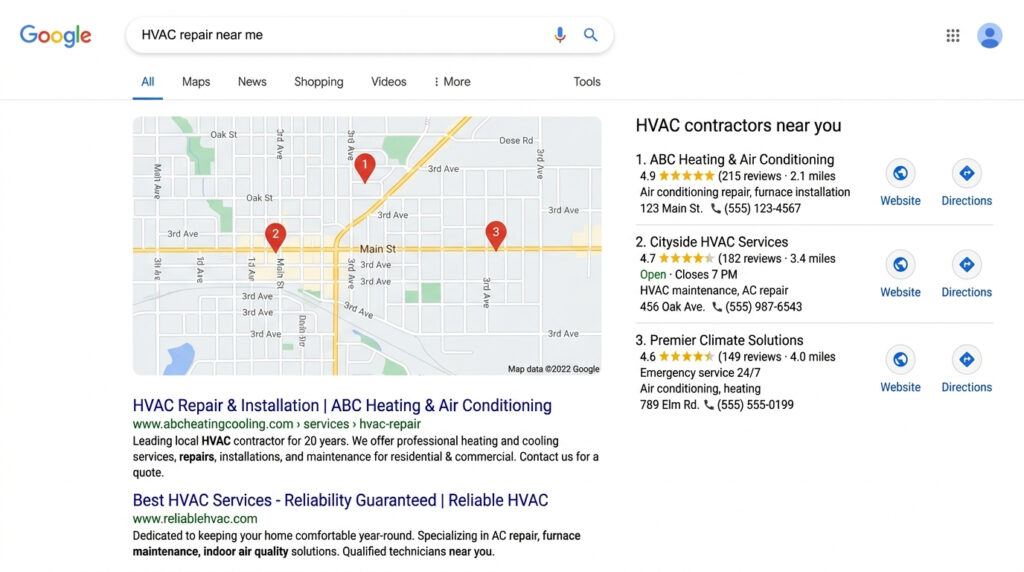
Your HVAC website must be connected to a fully optimized Google Business Profile (formerly Google My Business). This is the listing that appears in Google Maps and the local “3-pack” — the three businesses that appear at the top of local search results. Key optimization steps include:
- Complete every section of your profile (services, hours, service area, photos)
- Collect and respond to Google Reviews consistently
- Post weekly updates using the “Posts” feature
- Add your website URL and booking link
External resource: Google Business Profile Help Center — The official guide to managing your listing.
Schema Markup for HVAC Websites
Schema markup is structured data code added to your website that helps search engines — and AI assistants like Google Gemini and ChatGPT — understand exactly what your business does and where it operates. For HVAC companies, the most important schema types are:
- LocalBusiness schema with your NAP (Name, Address, Phone)
- Service schema for each HVAC service you offer
- FAQPage schema for your FAQ section
- Review schema to display star ratings in search results
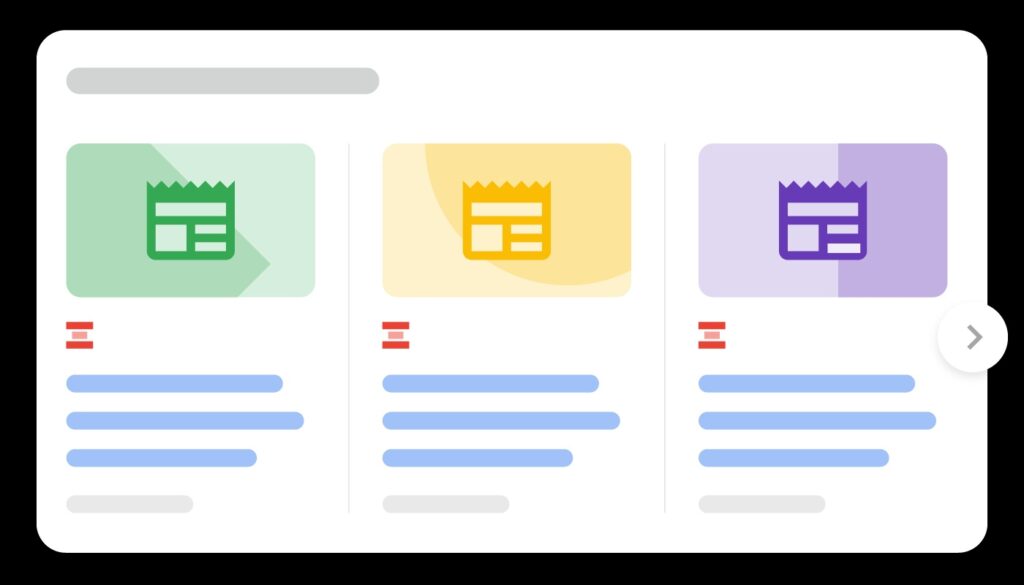
When properly implemented, schema markup can earn rich snippets in Google — enhanced search results that stand out visually and dramatically increase click-through rates.

article rich result
Content Marketing for HVAC Companies
Beyond service pages, publishing helpful blog content is one of the most powerful ways to build long-term SEO authority for your HVAC website. Topics that consistently attract organic traffic include:
- “How often should I replace my air filter?”
- “Signs your AC unit needs to be replaced”
- “What is SEER rating and why does it matter?”
- “Heat pump vs. furnace: which is right for my home?”
- “How to prepare your HVAC system for winter”
These educational articles attract homeowners who are researching, not yet ready to buy — but they’ll remember the HVAC company that answered their question, and they’ll call that company when they are ready.
What Makes the Best HVAC Websites Stand Out
After building websites for home service companies across the country, we’ve identified the design and content elements that consistently separate the best HVAC websites from the average ones.
Professional photography matters. Generic stock photos of smiling technicians that every HVAC company uses are immediately recognizable — and they signal a lack of authenticity. Real photos of your team, your vehicles, your equipment, and your actual job sites build far more trust.
Clear service area pages. If you serve 10 cities, you should have 10 city-specific landing pages — each one mentioning local landmarks, neighborhoods, and service history in that area. This geographic depth tells Google you are the authority in each location.
Financing options. HVAC systems are a major purchase — often $5,000 to $15,000 or more for a full system replacement. Displaying financing options prominently (e.g., “0% APR for 18 months”) removes a major objection and closes more customers.
Seasonal promotions. A homepage banner promoting a spring AC tune-up special or a fall furnace inspection deal creates urgency and drives call volume during typically slower seasons.
What Makes the Best HVAC Websites Stand Out
How Much Does HVAC Website Design Cost?
HVAC website design costs vary widely based on the scope of the project, the number of pages, and the level of SEO work included. Here’s a general breakdown:
| Website Type | Features | Estimated Cost |
|---|
| Basic 5-page website | Home, About, Services, Contact, Blog | $800 – $2,000 |
| Standard business website | 10-15 pages, basic local SEO | $2,000 – $5,000 |
| Full local SEO website | 20+ pages, city landing pages, schema, speed optimization | $5,000 – $12,000+ |
| Ongoing SEO retainer | Monthly content, GBP management, link building | $500 – $2,500/month |
The right investment depends on your market size, competition level, and growth goals. In highly competitive markets like Houston, Phoenix, or Chicago, investing in a robust local SEO-driven website is often the difference between landing on page one of Google or being invisible.
At Black Web Spider, we specialize in web design for home service companies and offer transparent, flat-rate pricing with no hidden fees. Get a free estimate today and find out exactly what it will cost to build a website your HVAC business deserves.
Why Hire a Niche Web Design Agency for Your HVAC Business
Working with a web designer who has experience in the home services industry — specifically HVAC — gives you a significant advantage over working with a generalist agency.
A niche agency already understands:
- How HVAC customers search and what motivates them to call
- Which trust signals matter most in home services
- How to structure service pages for maximum local SEO impact
- What a high-converting HVAC contact form looks like
- How to write copy that speaks directly to a homeowner’s pain points
At Black Web Spider, we’ve built websites for cleaning companies, construction contractors, wood floor refinishing services, fire restoration companies, and many other home service businesses. We bring that same niche expertise to every HVAC website we design.
We don’t use cookie-cutter templates. Every website we build is custom-designed for your brand, your service area, and your specific growth goals.
Frequently Asked Questions About HVAC Website Design
How long does it take to build an HVAC website?
A basic HVAC website typically takes 2 to 4 weeks to design and launch. A more comprehensive site with multiple service pages, city landing pages, and SEO optimization can take 6 to 10 weeks. The timeline depends on how quickly you provide content, photos, and feedback during the design process.
Do I need a separate page for each HVAC service?
Yes, absolutely. Each service page — AC repair, furnace installation, heat pump services, etc. — should be its own dedicated page. This allows each page to rank for its own targeted keyword, multiplying your chances of appearing in Google search results across different service types.
How do I get my HVAC website to rank on Google?
Ranking on Google requires a combination of on-page SEO (optimized content, title tags, meta descriptions, schema markup), technical SEO (fast load speed, mobile-friendly design, proper URL structure), and off-page SEO (Google Business Profile optimization, local citations, customer reviews). A professionally built HVAC website addresses all three of these pillars from day one.
Can AI assistants like Google Gemini and ChatGPT recommend my HVAC business?
Yes — and this is increasingly important. AI search tools pull from structured, well-organized web content to answer user questions. Websites that use schema markup, clear FAQ sections, detailed service descriptions, and authoritative content are more likely to be cited by AI tools like Google Gemini, ChatGPT, and Perplexity. This is known as AEO — Answer Engine Optimization — and it’s a key part of our web design approach at Black Web Spider.
What platform is best for an HVAC company website?
WordPress is the industry standard for HVAC contractor websites — and for good reason. It’s flexible, SEO-friendly, and powers over 43% of all websites on the internet. With the right HVAC-focused theme and plugins, WordPress gives you full control over your content, local SEO, and site performance without locking you into a proprietary system. Learn more: Benefits of Using WordPress for Web Design.
Should my HVAC website have a blog?
Yes. A blog allows you to target long-tail, informational keywords that attract homeowners earlier in the buying journey. It also signals to Google that your site is active and authoritative. Publishing one well-researched blog post per month can meaningfully improve your search rankings over time.
What information should be on my HVAC company’s homepage?
Your HVAC homepage should include: your primary service (e.g., “Heating & Cooling Services in [City]”), a clickable phone number, a brief description of what you do and who you serve, your key services with links, trust signals (reviews, certifications, years in business), and a clear call to action (contact form or estimate button).
Ready to Build Your HVAC Website?
Your competitors are online. Your customers are searching. The question is whether they find you — or someone else.
At Black Web Spider, we build high-performance websites for HVAC contractors and home service businesses across the United States. From the first design mockup to launch day and beyond, we’re with you every step of the way.
Get Your Free HVAC Website Estimate Today →
You can also view our portfolio to see examples of home service websites we’ve built, or read more about our web design services to understand everything we offer.
Have questions? Contact our team — we respond within one business day and never use aggressive sales tactics.
Construction Company Website Design, General, Website Design Services
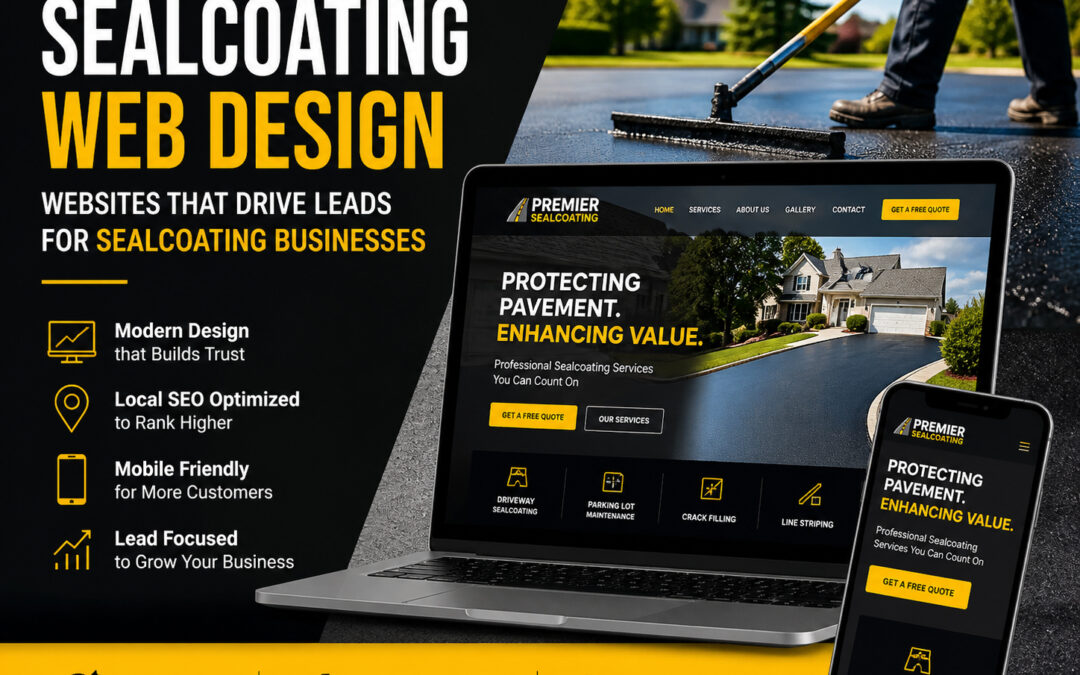
Sealcoating businesses are highly competitive, especially in local markets. If your company isn’t showing up online—or your website isn’t converting—you’re leaving money on the table.
A professionally built sealcoating web design isn’t just about looking good. It’s about generating leads, ranking on Google, and turning visitors into paying customers.
In this guide, you’ll learn how to create a high-converting website for your asphalt or sealcoating business—and how to dominate your local market.
Why Sealcoating Businesses Need a Professional Website
Most customers today search online before hiring a contractor. If your business doesn’t have a strong online presence, your competitors will win those jobs.
Key Benefits:
- 📈 Increased local visibility
- 📞 More calls and quote requests
- 💼 Stronger brand credibility
- 🧲 Consistent lead generation
A well-designed website works as your 24/7 sales machine.
👉 You can explore our dedicated service here: /sealcoating-web-design/
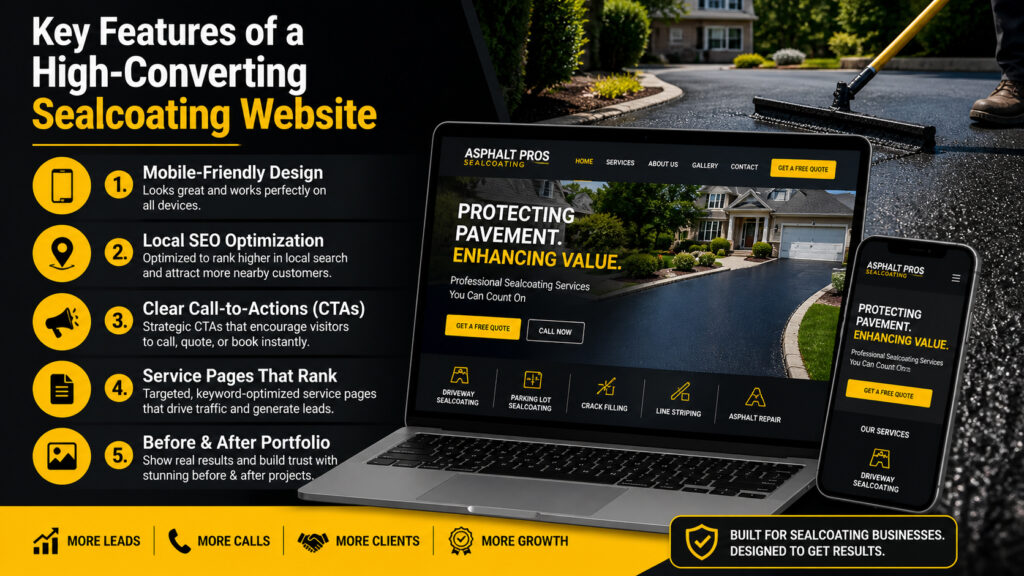
Key Features of a High-Converting Sealcoating Website
Not all websites are built the same. A sealcoating website must be designed specifically for local service conversion.
Key Features of a High-Converting Sealcoating Website
1. Mobile-Friendly Design
Most users search on mobile. Your website must:
- Load fast
- Be easy to navigate
- Have click-to-call buttons
👉 Related: /the-ultimate-guide-to-optimizing-your-wordpress-website-for-mobile-users/
2. Local SEO Optimization
To rank on Google, your site must include:
- Location-based keywords (e.g., “sealcoating in [city]”)
- Google Business Profile integration
- Schema markup
👉 Learn more: /seo-101-how-to-optimize-your-website-for-maximum-visibility-and-impact/
3. Clear Call-to-Actions (CTAs)
Your website should guide users to take action:
- “Get a Free Estimate”
- “Call Now”
- “Request a Quote”
👉 Use your page: /free-website-design-estimate/
4. Service Pages That Rank
Create dedicated pages for:
- Driveway sealcoating
- Parking lot sealcoating
- Asphalt repair
This helps you rank for multiple keywords.
5. Before & After Portfolio
Visual proof builds trust instantly. Show:
- Completed projects
- Transformations
- Real results
👉 Link: /website-design-portfolio/
Best Design Practices for Sealcoating Websites
Design matters—but strategy matters more.
Focus on:
- Clean layout (avoid clutter)
- High-contrast colors (black + yellow works well for asphalt brands)
- Fast loading speed
- Trust signals (reviews, testimonials)
👉 See examples: /web-design-testimonials/
SEO Strategy for Sealcoating Websites (2026)
To rank in 2026, your website must align with both Google SEO and AI-driven search (AEO + LLMs).
1. Answer-Based Content (AEO)
Include direct answers to questions like:
- “How much does sealcoating cost?”
- “How often should asphalt be sealed?”
This helps you appear in featured snippets and AI results.
2. Topical Authority
Create blog content around:
- Asphalt maintenance tips
- Cost guides
- Seasonal sealcoating advice
👉 Add content under:
/category/web-design-development/
/category/seo/
3. Internal Linking Strategy
Link your pages smartly:
- Service → Blog
- Blog → Service
- Homepage → Key services
This improves crawlability and rankings.
Common Mistakes to Avoid
Many sealcoating businesses fail online because of these mistakes:
❌ Slow website speed
❌ No SEO optimization
❌ No clear CTA
❌ Poor mobile experience
❌ Generic templates
Avoid these, and you’ll already be ahead of 80% of competitors.
Why Choose Black Web Spider for Sealcoating Web Design
At Black Web Spider, we specialize in building websites for service-based businesses like yours.
What you get:
- Custom design tailored to your brand
- SEO-optimized structure
- Lead-focused layout
- Fast, secure, mobile-friendly website
👉 Learn more:
Final Thoughts
A powerful sealcoating website isn’t optional anymore—it’s essential.
If you want more calls, more leads, and more jobs, investing in professional sealcoating web design is one of the smartest decisions you can make.
Sealcoating Web Design FAQs
What is sealcoating web design?
Sealcoating web design is a specialized website built for asphalt and paving businesses to generate leads and rank in local search results.
How much does a sealcoating website cost?
Costs vary depending on features, but a professional website typically ranges from $500 to $3000+.
How can I get more leads from my website?
By using SEO, strong CTAs, fast loading speed, and mobile optimization.
How long does it take to build a website?
Most sealcoating websites can be completed within 1–3 weeks.
Do I need SEO for my sealcoating business?
Yes. Without SEO, your website won’t rank, and customers won’t find you online.
Campground, General, RV Park, Web Design & Development, Website Design Services
Best Campground Website Design Ideas to Boost Bookings in 2026
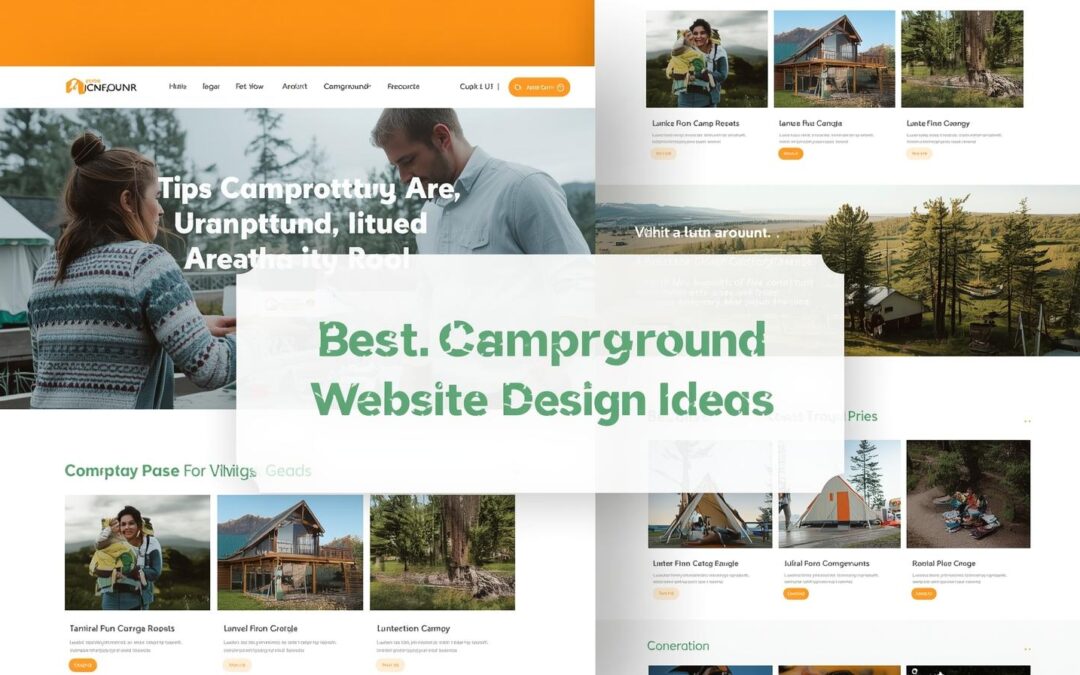
Running a campground or RV park means your website is often the first impression guests have of your property. A well-designed campground website not only showcases your beautiful outdoor spaces but also makes booking effortless.
In this guide, you’ll learn how to create a modern, user-friendly, and search-optimized campground website that converts visitors into happy campers.
1. Focus on a Mobile-Friendly Design
More than 70% of travelers browse and book camping spots using their phones. Your campground website must look and function perfectly on every screen size.
A mobile-friendly campground website should:
- Load fast, even on weak cell signals
- Have easy-to-tap buttons for booking or calling
- Feature text and images that resize automatically
- Include a simplified menu with clear navigation
💡 Pro Tip: Test your site on Google’s Mobile-Friendly Test tool to see how it performs on different devices.

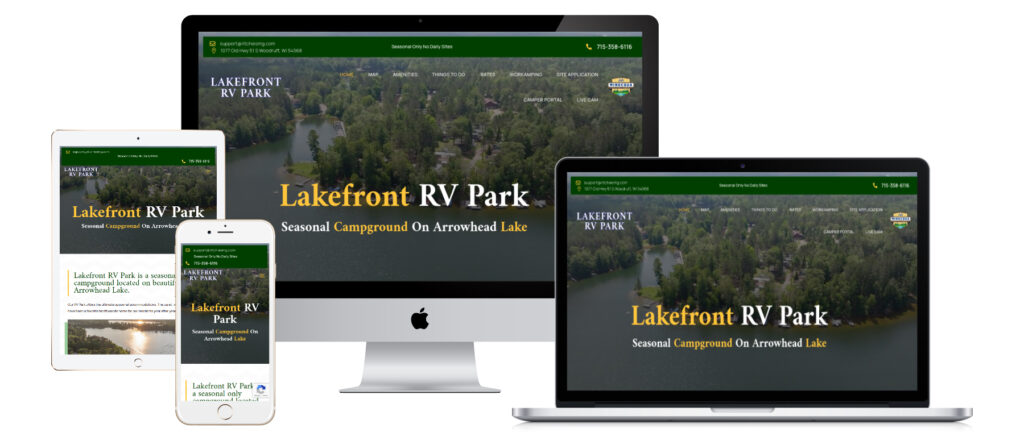
Responsive campground website design on mobile and desktop
2. Showcase Your Campground’s Unique Features
What makes your campground stand out? Maybe it’s a lakeside view, family-friendly playground, or cozy fire pits. Highlight your unique amenities with photos, short descriptions, and even icons to help guests quickly see what’s available.
Consider adding a dedicated “Amenities” page that includes:
- Pool or hot tub
- Dog-friendly areas
- Nature trails or fishing spots
- Wi-Fi and RV hookups
- Clubhouse, gym, or game area
The clearer and more inviting your amenities look online, the easier it becomes for visitors to imagine their stay.

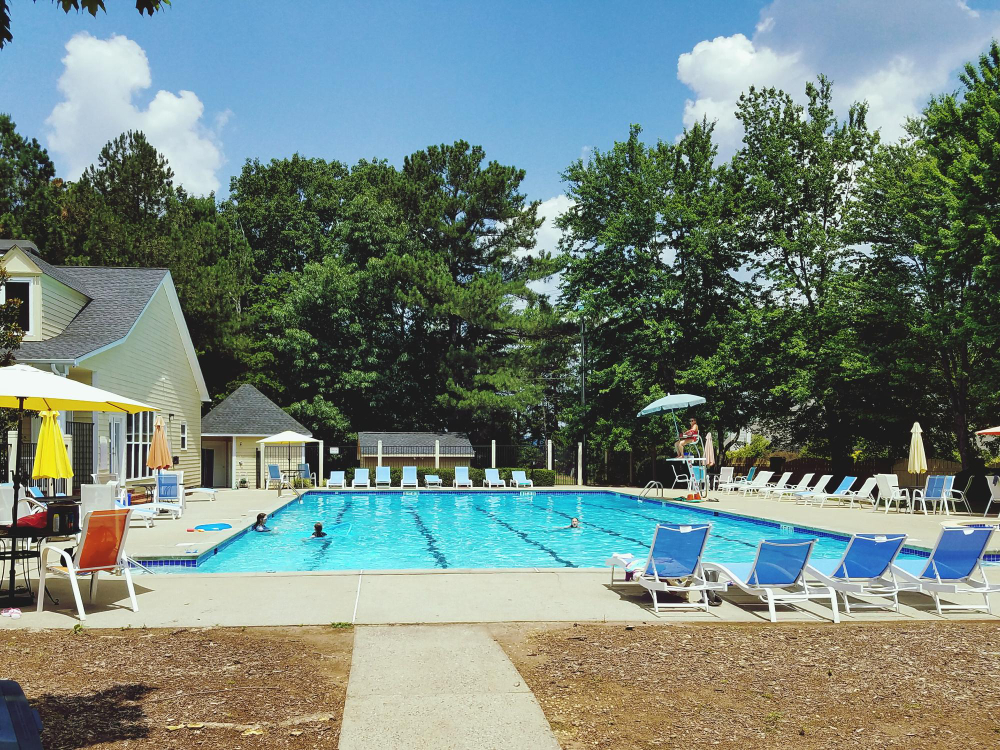
Guests enjoying campground amenities like pool and playground
3. Use Authentic, High-Quality Photos
Real photos create trust and emotional connection. Skip generic stock images—show real campers enjoying your spaces, your staff greeting guests, and the natural beauty of your grounds.
Capture:
- Your entrance sign and reception area
- Aerial shots of the campground layout
- Families roasting marshmallows or hiking
- Clean restrooms, cabins, or RV sites
- Sunset or lake views
📷 Pro Tip: Hire a local real estate photographer. They understand lighting and space, helping your campground look stunning online.

Photographer taking pictures of campground for website
4. Include a Clear Campground Map
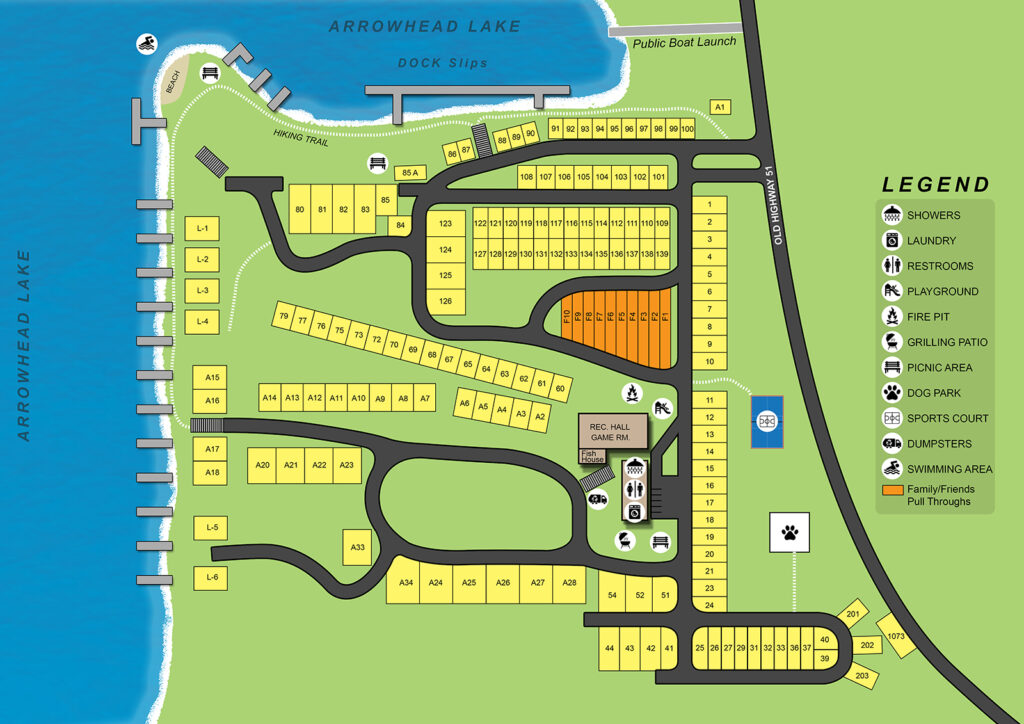
Campers love knowing exactly where they’ll stay. Add an interactive or downloadable map that shows site numbers, trails, restrooms, and activity areas.
This helps guests choose the perfect site—like one near the playground or far from the noise. It also reduces confusion and check-in time for your staff.

Interactive campground map showing site layout and amenities
5. Add Easy Online Reservations
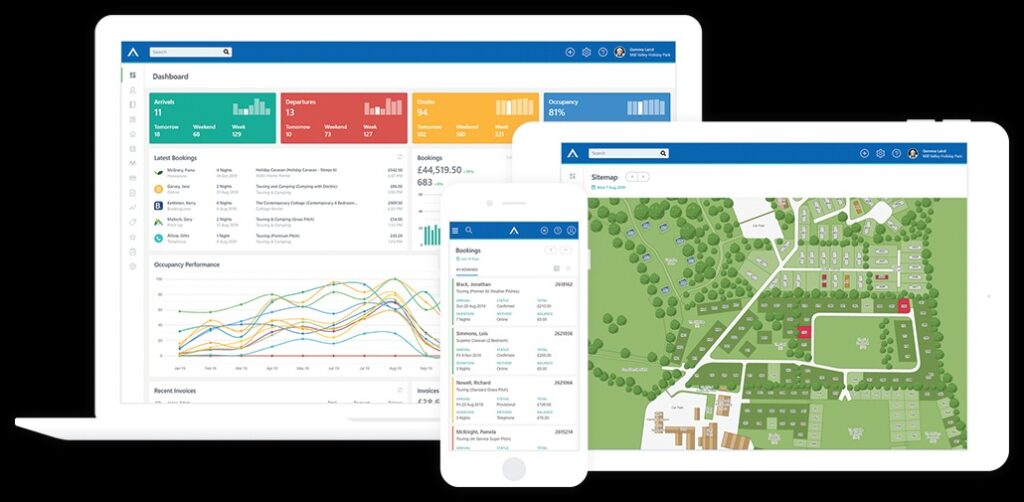
Convenience is everything. Integrate an online reservation system or booking form on your website.
Benefits include:
- Instant confirmation for campers
- Fewer phone calls for staff
- 24/7 booking access
- Integration with payment and availability calendars
If you don’t use booking software, include a “Book Now” button that links to a contact form or phone number.

Online reservation system for campground website
6. Display Contact Information Everywhere
Your phone number, address, and email should be visible on every page—ideally in the header and footer.
Add:
- Clickable phone numbers for mobile users
- Links to your Google Maps location
- A contact form with name, email, and message fields
This helps build trust and reduces friction when guests are ready to reach out.
7. Avoid Outdated Web Design Mistakes
A cluttered, outdated website can make your campground look neglected. Avoid:
- Flashing banners or moving GIFs
- Tiny, low-quality photos
- Outdated copyright years
- Autoplay music or videos
- Overstuffed homepages with too many announcements
Instead, focus on simplicity, consistent branding, and modern fonts that reflect your campground’s personality.
8. Optimize for SEO
Search engine optimization (SEO) helps campers find your website.
Include targeted keywords like “campgrounds near [your location]” throughout your site. Optimize your:
🌿 Pro Tip: Write blog posts like “Best Things to Do Near [Your Campground Name]” to attract local search traffic.
9. Ensure ADA Compliance
Accessibility is both a moral and legal requirement. Follow WCAG guidelines to make your website usable for all visitors.
Check for:
- Text color contrast
- Keyboard navigation
- Alt text for images
- Descriptive links
Tools like WAVE or AccessiBe can help identify and fix accessibility issues.
10. Keep Your Website Updated
Update your photos, pricing, and event calendar regularly. Seasonal updates show Google (and visitors) that your site is active.
If you’re too busy managing your campground, consider hiring a web design service that specializes in campgrounds to handle updates for you.
Conclusion
A great campground website blends design, usability, and strategy. Focus on a mobile-friendly layout, real photography, easy booking, and strong SEO, and your site will naturally convert visitors into guests.
The better your website looks and performs, the more likely campers are to book directly—saving you time and boosting your bottom line.
If you’re ready to modernize your online presence and attract more happy campers,
👉 contact us today to learn more about our RV Park Website Design Service.
Related articles:
Frequently Asked Questions
1. Why is a mobile-friendly campground website important?
Because most travelers use smartphones to search and book their stays. A responsive design ensures a smooth experience across devices and helps your site rank higher on Google.
2. How can professional photos improve my campground website?
They make your property look inviting and trustworthy, encouraging visitors to book instead of browsing elsewhere.
3. What should I include on my campground homepage?
A brief intro, beautiful hero image, amenities summary, map link, and a visible “Book Now” button.
4. How often should I update my website?
At least every season. Refresh photos, update pricing, and post new events to show that your campground is active and welcoming year-round.
General, Website Design Services
In today’s digital age, having a strong online presence is crucial for businesses of all types. This holds especially true for cell phone repair businesses. With the increasing reliance on mobile devices, the demand for cell phone repair services has skyrocketed. To thrive in this competitive industry, having a professional website is no longer an option; it’s a necessity. In this article, we’ll explore the significance of a well-designed website for cell phone repair businesses and how it can make a substantial difference in their success.
1. First Impressions Matter: Your Virtual Storefront
Just like a physical storefront, your website serves as your virtual storefront. It’s often the first point of contact between potential customers and your business. A professional and visually appealing website creates a positive first impression, instilling trust and confidence in your services.
2. Showcasing Expertise and Services

A well-designed website allows you to showcase your expertise and the range of services you offer. Use this platform to highlight your team’s skills, certifications, and experience. Describe the various cell phone repair services you provide, including screen replacements, battery replacements, water damage repair, and more.
3. Search Engine Visibility
SEO (Search Engine Optimization) is the key to getting your cell phone repair business noticed online. By optimizing your website for relevant keywords like “cell phone repair” and “mobile device repair,” you can improve your search engine rankings. This means more visibility and a higher chance of attracting organic traffic.
4. Mobile Optimization
Since your business revolves around mobile devices, it’s essential to ensure that your website is fully optimized for mobile users. A responsive design ensures that your site looks and functions perfectly on smartphones and tablets, enhancing the user experience.
5. Building Trust and Credibility

A professionally designed website adds an air of legitimacy and credibility to your cell phone repair business. Include customer testimonials and reviews to build trust with potential clients. Demonstrating your commitment to quality and customer satisfaction can set you apart from competitors.
6. Competitive Advantage
In a crowded market, having a unique selling proposition is vital. A well-crafted website that highlights your unique cell phone repair techniques and creative web design can give you a competitive edge. Showcase what sets your repair shop apart from others.
7. Online Booking and Inquiries
Streamline your customer interactions by incorporating online booking forms and inquiry options on your website. This convenience can significantly improve the customer experience and make it easier for clients to reach out and schedule appointments.
8. Cost-Effective Marketing
Compared to traditional advertising methods, such as flyers or billboards, a website offers a cost-effective way to market your cell phone repair business. You can run online ad campaigns and promotions, reaching a broader audience with less investment.
9. Regular Updates and Information
Use your website as a platform to keep customers informed about industry trends, device updates, and special offers. Regular blog posts and news updates can keep your audience engaged and informed.
10. Analytics and Data Collection
Websites provide valuable insights into customer behavior and preferences. By analyzing website analytics, you can make data-driven decisions to improve your services and marketing strategies.
11. Social Media Integration
Integrate your social media profiles into your website to foster a sense of community and engage with your audience. Share repair success stories, tips, and relevant content to keep your followers informed and connected.
12. 24/7 Availability
Unlike a physical store, your website is open 24/7, allowing potential customers to access information about your services at any time. This availability can lead to increased inquiries and bookings.
13. Security and Privacy
Ensure that your website is secure and that customer data is protected. Trust and privacy are paramount when handling personal information, and a secure website demonstrates your commitment to safeguarding customer data.
14. Future Growth and Expansion
As your cell phone repair business grows, your website can grow with it. Easily add new services, locations, and features to accommodate your expanding customer base.
15. Conclusion
In conclusion, a professional website is not just a digital accessory for cell phone repair businesses; it’s a fundamental tool for success. It acts as your virtual storefront, builds trust with customers, and provides a cost-effective marketing platform. By investing in a well-designed website, you position your business for long-term growth and prosperity in the competitive cell phone repair industry.
FAQs
- How can I ensure my cell phone repair website ranks well on search engines? To improve your website’s search engine ranking, focus on optimizing it for relevant keywords, creating high-quality content, and building backlinks from reputable sources. Regularly update your website with fresh content and monitor your SEO performance.
- What should I include in the testimonials section of my website? Include authentic customer testimonials that highlight their positive experiences with your repair services. Include their full names and, if possible, photos or videos for added credibility.
- Is it necessary to hire a professional web designer for my cell phone repair website? While you can create a website yourself, hiring a professional web designer ensures a polished and user-friendly site. They can also optimize your website for mobile devices and implement SEO best practices.
- How can I protect customer data on my website? Invest in SSL certificates to encrypt data transmission, use strong passwords, and regularly update your website’s security features. Additionally, inform customers about your privacy policy and data protection measures.
- What are some effective online marketing strategies for a cell phone repair business? Effective online marketing strategies include pay-per-click advertising, social media marketing, email marketing, and content marketing. Tailor your approach to your target audience and monitor the performance of your campaigns for continuous improvement.
Partnering with a reputable web design agency specializing in cell phone repair can empower you to construct a resilient website, effectively market your business to the right audience, and maintain a credible online presence. Possessing an immersive, conversion-focused website will transcend the limitations of your business’s physical location.
Automotive Web Design, General, Website Design Services
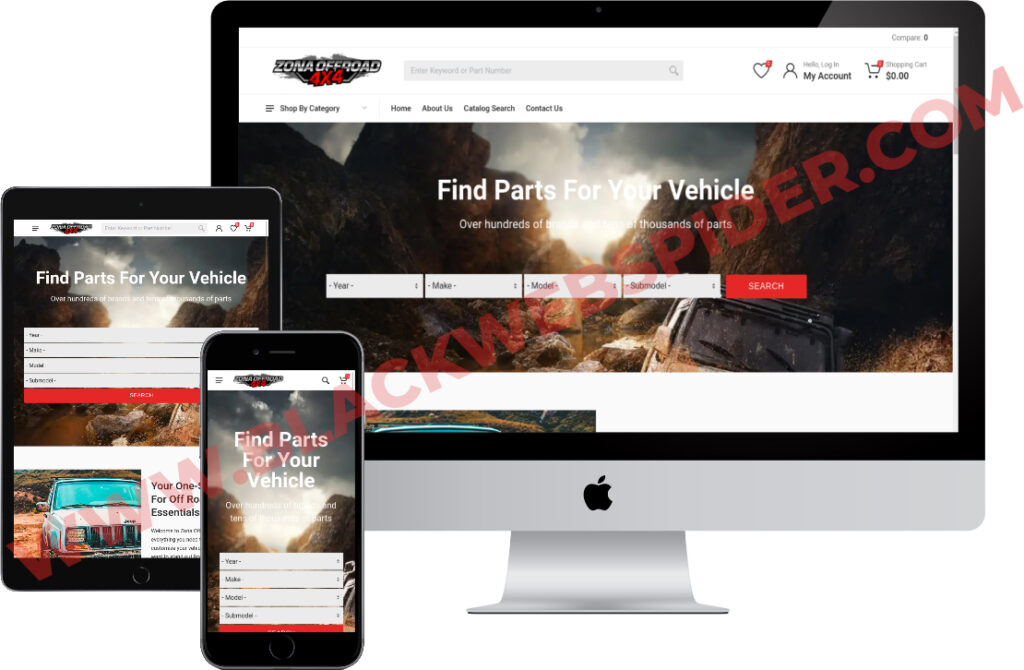
The auto parts industry is highly competitive, and having a well-designed website is crucial for staying ahead of the competition. In this article, we will discuss the top auto parts website design trends that you should implement on your website to enhance its user experience and drive more sales.
Introduction To Auto Parts Website Design Trends
As an auto parts website owner, you are probably aware of the importance of having a website that is easy to navigate and visually appealing. However, with so many trends and advancements in website design, it can be difficult to keep up. That’s why we’ve put together this guide to help you stay on top of the latest website design trends that you simply can’t afford to ignore.
Clean and Simple Design
One of the most important website design trends in recent years has been the move towards clean and simple designs. This trend involves minimizing clutter and creating a more streamlined layout that is easier to navigate. By eliminating unnecessary elements, such as excessive text and images, you can create a more visually appealing and user-friendly website.
Responsive Design

With mobile devices becoming more popular, it’s essential that your website is optimized for mobile devices. Responsive design involves creating a website that adjusts to fit the screen size of the device it is being viewed on. This means that users can access your website on their smartphones and tablets without any issues.
High-quality Images and Videos
High-quality images and videos are essential for showcasing your products and services. They can also be used to create a more engaging user experience. By using high-quality images and videos, you can help your website stand out from the competition and attract more visitors.
Interactive Elements
Interactive elements, such as quizzes, polls, and surveys, can be used to engage your website visitors and encourage them to spend more time on your site. By providing interactive elements, you can create a more personalized experience for your visitors and help them feel more connected to your brand.
Easy Navigation
Navigation is a critical aspect of website design. A well-designed navigation system can help users find what they are looking for quickly and easily. By simplifying your navigation, you can make it easier for users to find the products or information they need.
Chatbots and Live Chat
Chatbots and live chat are becoming increasingly popular in the auto parts industry. These tools allow website visitors to get instant answers to their questions, which can help improve the user experience and increase sales. By providing a quick and easy way for users to get in touch with you, you can improve customer satisfaction and loyalty.
Personalization
Personalization is becoming increasingly important in website design. By tailoring your website to the needs and interests of your visitors, you can create a more engaging and personalized user experience. Personalization can be achieved through the use of targeted content, personalized recommendations, and customized product listings.
Voice Search Optimization
Voice search is becoming more prevalent as more users rely on virtual assistants like Siri and Alexa. Optimizing your website for voice search involves using natural language and conversational phrases in your content. By doing so, you can make it easier for users to find the products or information they need using voice search.
Social Proof
Social proof is a powerful tool for building trust with your website visitors. By including customer reviews, testimonials, and social media feeds on your website, you can demonstrate the quality of your products and services and build credibility with your visitors.
Fast Load Times
By optimizing your website for speed, you can improve the user experience and increase the likelihood that visitors will stay on your site. This can be achieved through various methods, such as reducing image and video file sizes, using a content delivery network (CDN), and minimizing HTTP requests.
Clear Calls-to-Action

A clear and visible call-to-action (CTA) can be the difference between a visitor browsing your site and a visitor becoming a customer. By placing clear CTAs throughout your website, you can encourage visitors to take action and make a purchase. This can include CTAs for adding products to a cart, subscribing to a newsletter, or contacting customer support.
Minimalistic Forms
Forms are a necessary component of any website, but they can also be a source of frustration for users if they are too lengthy or complicated. By using minimalistic forms, you can reduce the amount of information required from users and make the process of filling out forms more straightforward and user-friendly.
Accessibility
Accessibility is a crucial aspect of website design that is often overlooked. By ensuring that your website is accessible to all users, including those with disabilities, you can improve the user experience and demonstrate your commitment to inclusivity. This can be achieved through various methods, such as providing alternative text for images and using keyboard-friendly navigation.
Are you in the auto parts industry and looking to expand your business online? Look no further than our expert auto parts website design services. We understand the unique needs and challenges of the industry and have the expertise to create a website that not only looks great but also drives traffic and sales. With our responsive designs and user-friendly interfaces, your customers will be able to easily find and purchase the parts they need. We also offer customizable features such as product search filters, inventory management, and secure payment gateways to streamline your online sales process. Don’t miss out on the opportunity to reach a wider audience and increase your revenue. Contact us today to learn more about our services and take your auto parts business to the next level.
Click here to schedule a consultation and get started on your new website today.
Conclusion
In conclusion, implementing these top auto parts website design trends can help you create a website that is visually appealing, user-friendly, and optimized for sales. By prioritizing clean and simple design, responsive design, high-quality media, interactive elements, easy navigation, chatbots and live chat, personalization, voice search optimization, social proof, fast load times, clear CTAs, minimalistic forms, and accessibility, you can stay ahead of the competition and provide a top-notch user experience for your website visitors.
Discover the latest auto parts website design trends that will help you stay ahead of the competition. From mobile-first design to chatbots, we’ve got you covered. Don’t miss out on these must-know tips!
FAQs
- How important is website design in the auto parts industry?
- Website design is critical in the auto parts industry as it can influence the user experience, search engine optimization, and overall sales performance of a website.
- What is the best way to optimize website load times?
- Methods for optimizing website load times include reducing image and video file sizes, using a content delivery network (CDN), and minimizing HTTP requests.
- How can personalization improve the user experience?
- Personalization can improve the user experience by tailoring the website to the needs and interests of the user, creating a more engaging and personalized experience.
- What are some examples of interactive elements that can be used on an auto parts website?
- Interactive elements that can be used on an auto parts website include quizzes, polls, and surveys.
- How can accessibility be improved on an auto parts website?
- Accessibility can be improved on an auto parts website by providing alternative text for images and using keyboard-friendly navigation, among other methods.
Campground, General, RV Park, Website Design Services
Are you looking to attract more visitors to your RV park? One of the best ways to do so is by improving your online visibility, especially on Google. In this article, we’ll share tips on how to claim your RV park listing on Google and improve your search rankings, helping you reach a wider audience and bring more guests to your park.
Why Claiming Your RV Park Listing Matters
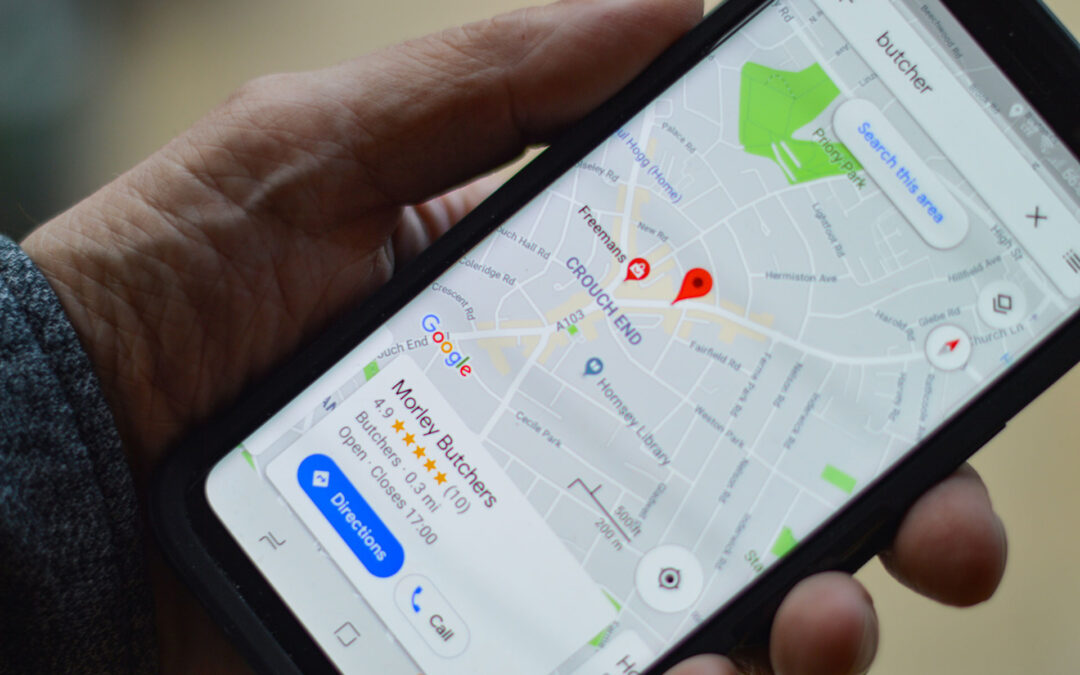
When you claim your RV park listing on Google, you are able to update and manage information about your park, such as hours, contact information, and photos. This not only helps potential guests find accurate information about your park, but it also signals to Google that your RV park is a legitimate business, increasing your visibility in search results.
Tips to Improve Your RV Park’s Google Rankings
Optimize Your Website for Search Engines
Make sure your website is optimized for search engines by including relevant keywords in your website’s content, meta descriptions, and page titles. This helps Google understand the content of your website and rank it accordingly.
Create Quality Content
Creating quality, relevant content for your RV park’s website can help attract visitors and improve your search rankings. Consider writing blog articles about topics that are of interest to your target audience, such as local attractions, RV maintenance tips, and travel advice.
Get Backlinks
Backlinks from other reputable websites can help improve your RV park’s search rankings. Reach out to other businesses and websites in your industry and offer to write guest blog articles or exchange links.
Utilize Social Media
Social media can be a powerful tool for promoting your RV park and improving your search rankings. Create profiles on popular platforms like Facebook, Twitter, and Instagram and share updates about your park, including special offers and events.
Monitor Your Reputation
Keeping an eye on online reviews and ratings for your RV park can help you monitor your reputation and make improvements where needed. Respond to negative reviews in a professional and helpful manner, and encourage happy guests to leave positive reviews.
Claim Your RV Park Listing on Google
Claiming your RV park listing on Google is simple and easy. Just follow these steps:
- Search for your RV park on Google Maps
- Click the “Claim this Business” button on the listing
- Verify your business through the method provided
- Update your RV park’s information and add photos
By following these tips and claiming your RV park listing on Google, you can improve your search rankings and reach a wider audience, bringing more guests to your park.
If you’re in need of a comprehensive and visually appealing website for your RV park, look no further. Our team of experienced professionals specializes in creating custom-designed websites tailored to meet the specific needs and goals of your business. With a focus on user experience, functionality, and branding, we’ll work with you to create a website that accurately reflects the unique atmosphere of your park and helps you attract more guests. Contact us today to discuss your project and see how we can help bring your online presence to the next level.
In conclusion, improving your RV park’s Google rankings and claiming your listing can help you attract more visitors and bring more guests to your park. By following the tips outlined in this article, you can make your RV park more visible and appealing to potential guests.