General
Business cards are one of the most important pieces of marketing material that you can have for your online business. Not only do they give you a way to connect with potential customers, but they also show off your brand and tell your story in a way that can’t be duplicated online.
Your online business can’t succeed without a strong online presence, and one of the best ways to build a strong online presence is by using business cards. Business cards can help you connect with potential customers and show them what your business is all about. In addition, they provide valuable information about your business that can’t be found on your website.
If you want to start building an strong online presence for your business, then use business cards to your advantage. They are one of the most important pieces of marketing material that you can have, and they are worth the investment.
What is a Business Card?
Business cards are an essential part of any online website marketing strategy. Business cards are a great way to build relationships with clients and prospects, and can also be used to promote your business. You can print out business cards using your computer, or you can purchase them from a local printing company. When designing your business card, make sure to include your website URL, contact information, and a brief summary of your services.

Benefits of having a Business Card on your Website
One of the many benefits of having business cards on your website is that they increase the chances of being contacted by potential customers. In fact, a study conducted by TheLadders showed that businesses with business cards on their websites are 18% more likely to be contacted than those without them.
So not only does having business cards on your website increase the chances of meeting potential customers, but also those who do contact you will be more likely to become loyal customers. Additionally, if you have any events or offers related to your company listed on the card, it will be much easier for potential customers to find out about these. Overall, having business cards on your website is an excellent way to increase your online presence and promote your company!
(1) TheLadders – “Business Cards Increase Chances of Being Contacted”
(2) GetResponse – “Adding Business Cards To Your Website Increases Conversions”

If you’re like most people, you probably carry around a business card with your contact information on it. Why not put that information on your website too?
Business cards are great for online marketing because they’re portable and easy to share. You can distribute them via email, post them on social media, or give them out at events.
Plus, business cards are a good way to build relationships with prospective customers and partners. By exchanging contact information, you can keep track of who’s who and stay in touch.
And finally, business cards can be a valuable source of leads. If someone downloads your card and decides to call or visit your website, you’ve already made an initial connection.
What not to include on a Business Card?
When designing your business card, make sure to avoid including any personal information. This includes your name, address, and telephone number. Instead, stick to the basics: your company name, website address, and email address. Additionally, be sure to include a brief description of what you do. Finally, don’t forget the logo! Place it prominently on the front of the card so that people can easily identify you as a business owner.
There are a few things you should never put on your business card when it comes to online marketing. These include your phone number, email address, and website URL. Not only is this information unnecessary for potential customers to remember, but it also takes away from the professional look of your cards. When presenting yourself as an expert in your field, make sure to keep your cards looking sharp!
If you’re thinking of printing business cards for your online website marketing, there are a few things you should avoid.
Don’t include your website’s address or phone number on your cards. Instead, include information such as the name of your company and a brief description of what you do. You can also add this information to your website’s home page or contact us section.
Don’t use stock designs or fonts when designing your cards. Be creative and use your own design to create a unique look that will draw people in.
Finally, make sure the cardstock is high quality and the printing is clear. Your cards will look more professional if they’re printed on good paper with well-done printing.
How to make a Business Card for your Website?
If you’re like most business owners, you probably don’t bother making business cards for your website. But there are a few reasons why you should start.
First of all, business cards are an excellent way to build relationships with potential customers and colleagues. When someone receives a card from you, it shows that you’re invested in building a relationship.
Secondly, business cards are an effective way to promote your brand online. When someone sees your name and logo on a card, it’s more likely that they’ll visit your website or contact you about what you do. Plus, if people see your card on websites that they browse regularly (like Google), they’re more likely to remember your name and contact you later on when they have specific questions or needs.
If making business cards isn’t your thing, there are plenty of other ways to market your website without them. But if you want to increase the chances of success for your online presence, make sure to include some Cards!
Making a business card for your website is an important way to promote your site and build relationships with potential customers. You can print out cards on your own or use a service like Printful.com or Get a free quote now. Here are some tips for creating a successful business card:
– Design your card in a simple, professional manner.
– Use high-quality paper and printing.
– Include your website address and contact information on the front of the card.
– Have copies of the card printed and hand them out to customers and potential partners.
SEO
SEO is a hot topic these days, and for good reason. It can make a huge difference in the visibility of your website and the amount of traffic it receives. So what is SEO, exactly? SEO is short for “Search Engine Optimization”, and it’s simply the practice of improving the visibility of your website on search engines. This means tweaking your website so that it appears first in search engine results pages (SERPs)—above the organic listings. There are many ways to achieve this goal, but some of the most common methods include: – Quality content: Make sure your site has high-quality content that is both informative and useful. This will help attract visitors and boost your ranking in search engine results pages. – On-page optimization: Optimize your website for search engines using keywords and other metadata tags. This will help your site appear higher up in search engine results pages when users query those specific terms. – Link building: Add links to your website from relevant websites to improve its rank in search engine results pages. Not only will this help you rank higher, but it will also provide more exposure for your site’s content.
How does search engine optimization work?
SEO is the process of optimizing a website for search engine results. This can involve making sure all the text on the site is keyword rich, including titles and headings, creating effective images and link building strategies, and more. By improving a site’s visibility in search engines, SEO can help increase traffic and leads.
How does a business get started with SEO?
Search engine optimization (SEO) is the practice of improving the visibility and ranking of a website or web page in search engine results pages (SERPs). The main purpose of SEO is to make the website appear higher up in search engine results pages when users type relevant keywords into their browsers.
The first step in SEO is choosing good keywords for your site. The more important keyword research is done upfront, the better. Keyword research will help you determine what topics your website should cover, and which keywords are most likely to be searched for on your topic. Once you have determined your target keywords, you need to find ways to include them in your content. This can include including them in the title tags, meta descriptions, and alt tags of your images; using them as keyword phrases within headings and paragraph content; and placing them in links between website pages.
Once you have included key words throughout your content, it’s time to make sure that your site ranks high for those keywords on Google. To do this, you’ll need to optimize your site for search engines using techniques such as anchor text linking, indexing of specific keyword phrases by Googlebot, and creating quality backlinks from other websites that rank for the same or related keywords as yours. Properly optimizing a site will result in an increase in traffic and leads, making it one of the most effective ways to improve online visibility
There is no one-size-fits-all answer to this question, as the approach businesses take to SEO will vary based on their specific goals and website architecture. However, typically businesses begin by analyzing their website’s current search engine ranking position, and then implementing any necessary changes to optimize their site for a higher position.
Why is SEO important for marketing?
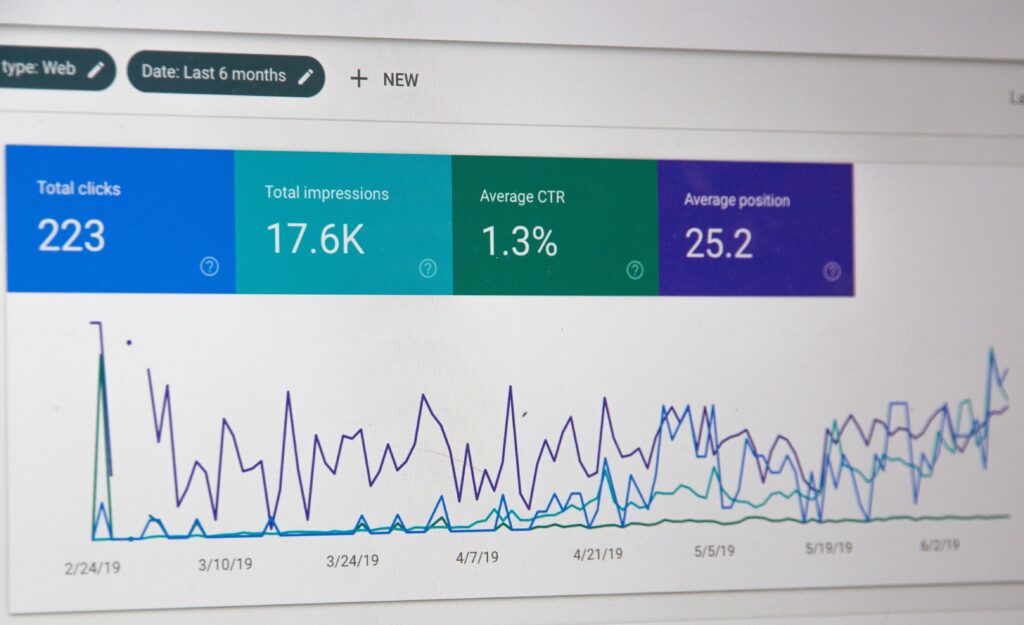
Search engine optimization (SEO) is the process of improving the visibility and ranking of a website or web page in search engine results pages (SERPs), thus increasing traffic and revenue. A site that is well-optimized for search engines looks better and is easier to find on the web, resulting in higher clickthrough rates (CTRs) and better conversion rates.

Apart from being an essential part of online marketing, SEO can also be used as a way to differentiate your business from your competitors. By optimizing your website for specific keywords, you can attract visitors who are specifically looking for content on those topics. This leads to increased traffic and conversions, as well as enhanced brand awareness.
SEO can be done manually or through automated tools and services. Both approaches have their benefits and drawbacks – depending on the needs of the company involved. Manual SEO involves careful analysis of the website’s content, structure, and design in order to optimize it for search engines; while automated SEO helps to improve ranking by doing things like stuffing keywords into meta descriptions and title tags, setting up backlinking schemes, etc.
SEO benefits
Search engine optimization (SEO) is a process of improving the visibility and ranking of a website or web page in search engine results pages (SERPs), often through the use of keyword-rich titles, tags, and other metadata. In layman’s terms, SEO is all about making your website as visible as possible to potential customers looking for the information you offer.
While there are many methods and strategies to improve your site’s SEO, some of the more common techniques include:
1. Analyzing your competition
Knowing what makes your competitors successful can give you valuable insights into how to improve your own site. For example, if you notice that one of your competitors is ranking for specific keywords that are important to your target audience, it may be worth optimizing those keywords yourself. However, don’t overdo it – focus on targeting relevant keywords that will help you reach people who are actually looking for what you have to offer.
2. Creating high-quality content
Make sure all of your content is well written and optimized for search engines. This means using keyword-rich titles and descriptions, as well as including images and other multimedia that can help illustrate your points. Also make sure all of your site’s links lead back to your main homepage or home page – not spammy link directories or blogs! Visitors who click on a link from an outside source are less likely to return later should they need additional information.
3. Building an authoritative site
An authoritative site is one that has been well-built and designed with SEO in mind. This means following best practices for website design, including using a user-friendly design, creating well-organized content, and featuring high-quality images and other multimedia. In addition, make sure your site is indexed by Google and other major search engines – this will help improve your site’s ranking in SERPs.

4. Promoting your site through paid advertising
Paid advertising can be a great way to promote your site to a wider audience. However, be sure to carefully choose which keywords to target – spending too much on ads that don’t lead to increased traffic can have a negative impact on your site’s SEO. Also make sure you are properly tracking the results of your advertising campaigns so you can identify which keywords are most successful at driving traffic to your website.

Online Marketing Commercial Connection Technology
5. Using social mediamation about what you offer.
Search engine optimization (SEO) is a process of improving the visibility and ranking of a website or web page in search engines. The aim is to make the website more likely to be found by users with specific search queries, thus increasing its chance of earning revenue from advertising.
There are many factors that can affect a website’s rank in a search engine, including the quality and quantity of content on the site, the use of keywords in the site’s title, description and metatags, as well as the relevance of those keywords to the user’s query. SEO can also involve modifying a website’s design or coding so that it looks better onscreen when displayed in a search engine results page (SERP).
Although SEO is not guaranteed to result in increased traffic and profits for any given website, it can be an important part of achieving them. By optimizing a website for search engines, businesses can reach new audiences who might not have otherwise discovered their offerings. Additionally, SEO can lead to increased brand awareness and click-through rates (CTRs), which can lead to higher profits through advertising sales.
There are a number of different ways to improve your website’s SEO. However, the most effective techniques vary depending on the goals you’re hoping to achieve. By focusing on the key elements listed above, you can begin to develop a strategy that will help your site reach its full potential.
General
1. Introduction
When it comes to building a website, there are numerous content management systems (CMS) to choose from. However, for many businesses and organizations, WordPress stands out as the top choice for an SEO-friendly CMS. In this article, we’ll explore the reasons why WordPress is the go-to choice for SEO-focused websites, and how it can help you achieve top search engine rankings.
Since its launch in 2003, WordPress has grown to become the most popular CMS in the world, powering over 60 million websites. Its popularity can be attributed to its ease of use, flexibility, and robust feature set. But one of the main reasons WordPress is so popular is its strong focus on search engine optimization (SEO). From built-in features to the wide range of SEO-focused plugins available, WordPress makes it easy to optimize your website for search engines and improve your visibility in search results.
In the following sections, we’ll delve into the top reasons why WordPress is the top choice for SEO-friendly websites, including its flexibility, customization options, and strong support for mobile optimization. We’ll also discuss how to take advantage of WordPress’s SEO capabilities to improve your search engine rankings and drive more traffic to your website.
Definition of CMS and its importance in website management
A content management system (CMS) is a software application or set of tools that enables users to create, manage, and publish digital content. CMSs are commonly used for websites and blogs, but they can also be used to manage other types of digital media, such as documents, images, and videos.
CMSs are important for website management because they provide a user-friendly interface for creating, organizing, and publishing content. This allows users to easily update and maintain their website without requiring specialized technical skills or knowledge. CMSs also typically include features such as templates, themes, and plugins that allow users to customize the appearance and functionality of their website.
In addition to making it easier to manage a website, CMSs can also improve the user experience by providing a consistent and organized structure for content. This can make it easier for visitors to find and access the information they are looking for, which can increase the website’s traffic and engagement.
Overall, CMSs play a crucial role in the management and success of modern websites by providing an efficient and user-friendly way to create, publish, and organize digital content.
Overview of WordPress as a CMS
WordPress is a popular open-source content management system (CMS) used by millions of websites around the world. It was first released in 2003 and has since grown to become the most widely used CMS in the world, powering over 60 million websites.
One of the main reasons for WordPress’s popularity is its user-friendly interface, which makes it easy for users to create, publish, and manage content. WordPress is also highly customizable, with a wide range of themes, templates, and plugins available to users. This allows users to easily change the appearance and functionality of their website to meet their specific needs.
In addition to its customization options, WordPress also has a strong focus on search engine optimization (SEO). It includes built-in features such as clean permalinks and the ability to customize page titles and meta descriptions, as well as a variety of SEO-focused plugins that can help users optimize their websites for search engines.
Overall, WordPress is a powerful and flexible CMS that is well-suited for a wide range of websites, from small personal blogs to large enterprise websites. Its user-friendly interface, customization options, and strong focus on SEO make it a popular choice for website owners and developers around the world.
2. Customizable URLs and Meta Data
Customizable URLs and meta data are important features for search engine optimization (SEO) and can be found in many content management systems (CMS). In the case of WordPress, these features are among the many reasons it is often considered a top choice for an SEO-friendly CMS.
Customizable URLs allow users to specify the structure and content of their website’s URLs, which can have a significant impact on search engine rankings. By using keywords in the URL, users can help search engines understand the content of their website and improve its visibility in search results. WordPress makes it easy to customize URLs, with options to specify the permalink structure and individual post and page URLs.
Meta data is another important aspect of SEO and includes elements such as page titles and meta descriptions. These elements are used by search engines to understand the content of a webpage and determine its relevance to a user’s search query. WordPress allows users to easily customize the meta data for their website, including the ability to specify unique titles and descriptions for each page and post.
Overall, customizable URLs and meta data are important features for SEO and can help improve the visibility and ranking of a website in search results. WordPress’s support for these features makes it a top choice for an SEO-friendly CMS.
WordPress allows for easy customization of URLs and meta data
One of the reasons WordPress is considered a top choice for an SEO-friendly content management system (CMS) is its support for customizable URLs and meta data. This allows users to easily optimize their website’s structure and content for search engines and improve its visibility in search results.
In WordPress, users have the ability to customize the permalink structure of their website, as well as the URLs of individual pages and posts. This allows them to include keywords in the URL, which can help search engines understand the content of the website and improve its ranking in search results.
WordPress also allows users to customize the meta data for their website, including the page title and meta description. These elements are used by search engines to understand the content of a webpage and determine its relevance to a user’s search query. By optimizing the page title and meta description, users can improve the visibility of their website in search results and drive more traffic to their site.
Overall, WordPress’s support for customizable URLs and meta data makes it a powerful tool for SEO and can help users improve the ranking and visibility of their website in search results.
This helps with SEO by making it easier for search engines to understand the content of a page
One of the ways WordPress helps with search engine optimization (SEO) is by making it easier for search engines to understand the content of a page. This is achieved through a variety of built-in features and tools that help to structure and organize the content on a website.
One such feature is the ability to customize the permalink structure of a website, which allows users to specify the structure of their website’s URLs. By using keywords in the URL, users can help search engines understand the content of their website and improve its visibility in search results.
WordPress also supports the use of tags and categories, which allow users to organize their content into logical groups. This can help search engines understand the context of a webpage and improve its ranking in search results.
In addition, WordPress includes tools for creating and editing page titles and meta descriptions, which are important elements for SEO. These elements are used by search engines to understand the content of a webpage and determine its relevance to a user’s search query. By optimizing these elements, users can improve the visibility of their website in search results and drive more traffic to their site.
Overall, WordPress’s support for customizable URLs, tags and categories, and page titles and meta descriptions makes it a powerful tool for SEO and helps search engines understand the content of a webpage.
3. Mobile-Friendliness
Mobile-friendliness is an important factor for search engine optimization (SEO) and user experience, and WordPress is a top choice for a CMS that supports mobile-friendly websites.
One of the main ways WordPress helps users create mobile-friendly websites is through its responsive design features. Responsive design means that a website is designed to adapt to the screen size and resolution of the device it is being viewed on, whether it is a desktop computer, tablet, or smartphone. This ensures that the website is easy to use and navigate on any device.
WordPress themes and templates are often designed with responsive design in mind, which makes it easy for users to create mobile-friendly websites. Users can also install plugins that help to optimize their website for mobile devices, such as those that help to improve page loading speeds or create a separate mobile version of the website.
In addition to its responsive design features, WordPress also includes tools for analyzing and improving the mobile-friendliness of a website. This includes the ability to test the website on different devices and view a report of any issues that need to be addressed.
Overall, WordPress’s support for responsive design and mobile-friendliness make it a top choice for creating SEO-friendly websites that are optimized for all devices.
Google now prioritizes mobile-friendly websites in its search rankings
Google has stated that mobile-friendliness is a ranking factor in its search algorithms, which means that mobile-friendly websites may receive a higher ranking in search results. This is because Google recognizes the increasing importance of mobile devices in accessing the internet and wants to provide users with the best possible experience.
Mobile-friendliness is determined by how well a website is able to adapt to the screen size and resolution of a mobile device. This includes factors such as the layout of the content, the size of buttons and links, and the loading speed of the website. Websites that are not optimized for mobile devices may be difficult to use or navigate on a smartphone or tablet, which can result in a poor user experience.
To ensure that their website is mobile-friendly, website owners and developers can use tools such as Google’s Mobile-Friendly Test to analyze their website and identify any issues that need to be addressed. They can also use a content management system (CMS) that supports responsive design and mobile-friendliness, such as WordPress, to create a website that is optimized for all devices.
Overall, mobile-friendliness is an important factor for both SEO and user experience, and Google’s prioritization of mobile-friendly websites in its search rankings reflects this. By ensuring that their website is mobile-friendly, website owners and developers can improve their search engine rankings and provide a better experience for their users.
WordPress themes are designed to be responsive, ensuring that websites built with WordPress are mobile-friendly
One of the features that makes WordPress a top choice for a content management system (CMS) is its support for responsive design, which ensures that websites built with WordPress are mobile-friendly.
Responsive design is a design approach that allows a website to adapt to the screen size and resolution of the device it is being viewed on. This means that a website built with responsive design will look and function properly on a desktop computer, tablet, or smartphone, regardless of the size or orientation of the screen.
In WordPress, most themes and templates are designed with responsive design in mind, which makes it easy for users to create mobile-friendly websites. Users can also install plugins that help to optimize their website for mobile devices, such as those that help to improve page loading speeds or create a separate mobile version of the website.
Overall, WordPress’s support for responsive design makes it a top choice for creating mobile-friendly websites that provide a good user experience on all devices.
4. Search Engine-Friendly Themes and Plugins
Many WordPress themes and plugins are designed with SEO in mind
In addition to its built-in features for search engine optimization (SEO), WordPress is also a top choice for a content management system (CMS) due to the large number of SEO-friendly themes and plugins available to users.
WordPress themes are templates that define the appearance and layout of a website. Many WordPress themes are designed with SEO in mind, with features such as clean, semantic code and customizable page titles and meta descriptions. This makes it easy for users to create an SEO-friendly website simply by choosing an appropriate theme.
WordPress plugins are add-ons that can be installed on a website to extend its functionality. There are many WordPress plugins available that are specifically designed to help users optimize their website for search engines. These plugins can provide a range of features, such as the ability to analyze a website’s content for keyword usage, create sitemaps, or automatically generate meta descriptions.
Overall, the availability of SEO-friendly themes and plugins is one of the reasons WordPress is considered a top choice for a CMS. These tools make it easy for users to optimize their website for search engines and improve its visibility in search results.
These features can help to improve a website’s search engine visibility without requiring advanced technical knowledge
5. Regular Updates and Security
One of the reasons WordPress is a top choice for a content management system (CMS) is its regular updates and commitment to security.
WordPress is an open-source CMS, which means that it is developed by a community of volunteers and is constantly being updated and improved. These updates often include new features, bug fixes, and security improvements. By using WordPress, users can be confident that their website is using the most up-to-date and secure version of the CMS.
In addition to its regular updates, WordPress also takes security seriously and has a number of measures in place to protect users’ websites. This includes the use of secure passwords, regular security scans, and the ability to easily install security plugins to further protect a website.
Overall, the regular updates and commitment to security are important reasons why WordPress is a top choice for a CMS. These features help to ensure that users’ websites are always up-to-date and secure.
WordPress is constantly being updated to improve security and user experience
This is important for SEO because search engines may penalize websites that are not secure or have a poor user experience
WordPress is important for search engine optimization (SEO) because search engines such as Google may penalize websites that are not secure or have a poor user experience.
One of the ways that search engines determine the quality of a website is by evaluating its security and user experience. Websites that are not secure or have a poor user experience may be ranked lower in search results, as they may not provide a good experience for users.
WordPress is a top choice for a content management system (CMS) because it is constantly updated to improve security and user experience. Regular updates help to ensure that WordPress users’ websites are always up-to-date and secure, which is important for both the user experience and the reputation of a website.
In addition, WordPress includes features such as responsive design and mobile-friendliness, which are important for both user experience and SEO. By using WordPress, website owners and developers can create websites that are optimized for all devices and provide a good user experience, which can help to improve their search engine rankings.
Overall, WordPress’s commitment to security and user experience make it an important tool for SEO. By using WordPress, website owners and developers can create websites that are secure, user-friendly, and more likely to rank well in search results.
6. Large Support Community
WordPress has a large community of users and developers who are constantly creating resources and support for the platform
One of the benefits of using WordPress as a content management system (CMS) is its large support community.
WordPress is an open-source CMS, which means that it is developed by a community of volunteers who contribute their time and expertise to the project. This community includes developers, designers, and users who share their knowledge and experience through forums, blogs, and other online resources.
As a result, WordPress users have access to a wealth of information and support when it comes to using and customizing their website. This can be especially helpful for users who are new to WordPress or who need help with specific tasks or issues.
In addition to its online support community, WordPress also has a large ecosystem of third-party developers and agencies who offer professional support and services for WordPress users. These organizations can provide a range of services, including theme and plugin development, website design and development, and technical support.
Overall, the large support community is an important benefit of using WordPress as a CMS. It provides users with access to a wealth of knowledge and resources, as well as the ability to receive professional support when needed.
This makes it easier for users to troubleshoot issues and find solutions to improve their website’s SEO
One of the benefits of using WordPress as a content management system (CMS) is that it makes it easier for users to troubleshoot issues and find solutions to improve their website’s search engine optimization (SEO).
WordPress has a large support community of developers, designers, and users who share their knowledge and experience through forums, blogs, and other online resources. This community is an important resource for WordPress users, as it provides a wealth of information and support when it comes to using and customizing their website.
Overall, the large support community and ecosystem of professional support providers make it easier for WordPress users to troubleshoot issues and find solutions to improve their website’s SEO. This can be especially helpful for users who are new to WordPress or who need help with specific tasks or issues related to SEO.
7. Conclusion
In conclusion, WordPress is the top choice for a content management system (CMS) that is SEO-friendly due to its customizable URLs and meta data, mobile-friendliness, search engine-friendly themes and plugins, regular updates and commitment to security, and large support community.
WordPress’s customizable URLs and meta data make it easy for users to create an SEO-friendly website, as it allows them to easily optimize page titles and meta descriptions for search engines. Its mobile-friendliness is also important for SEO, as Google now prioritizes mobile-friendly websites in its search rankings.
In addition, WordPress has a large number of themes and plugins that are specifically designed to help users optimize their website for search engines. These tools make it easy for users to analyze their website’s content for keyword usage, create sitemaps, and automatically generate meta descriptions.
Regular updates and a commitment to security are also important for SEO, as search engines may penalize websites that are not secure or have a poor user experience. WordPress’s regular updates and security measures help to ensure that users’ websites are always up-to-date and secure, which can improve their search engine rankings.
Finally, WordPress’s large support community and ecosystem of professional support providers make it easy for users to troubleshoot issues and find solutions to improve their website’s SEO.
Overall, WordPress’s features and resources make it the top choice for a CMS that is SEO-friendly. By using WordPress, website owners and developers can create websites that are optimized for search engines and improve their visibility in search results.
General
If you own a business or manage a website, chances are you’ve heard about search engine optimization (SEO). SEO is the process of improving a website’s visibility and ranking in search engine results pages (SERPs), and it’s an essential part of any online marketing strategy. By optimizing your website for search engines, you can attract more qualified traffic, increase brand awareness, and ultimately drive more business. In this article, we’ll be covering 10 SEO tactics that you can use to improve your search engine rankings and boost your online presence.

Introduction
Definition of SEO and its importance for businesses
Search engine optimization (SEO) is the process of improving a website’s visibility and ranking in search engine results pages (SERPs). This is done through a combination of on-page and off-page techniques, such as keyword research, content optimization, and link building. The goal of SEO is to make a website more visible and attractive to search engines, with the ultimate goal of driving more qualified traffic to the site.
SEO is important for businesses because it helps to increase brand awareness and credibility, and can ultimately drive more traffic and sales. By ranking highly in search results, a website is more likely to be seen by potential customers, which can lead to increased traffic and sales. SEO is especially important for small businesses, as it can help level the playing field against larger competitors and make it easier for them to be found online.
The 10 SEO tactics that will be covered in this article are:
- Keyword research
- On-page optimization
- Off-page optimization
- Technical SEO
- Local SEO
- Social media and SEO
- Content marketing and SEO
- Mobile optimization
- The role of user experience in SEO
- The importance of ongoing SEO efforts
1. Keyword research
Keyword research is a crucial aspect of search engine optimization (SEO). By targeting the right keywords, you can improve your website’s visibility and ranking in search engine results pages (SERPs). Keywords are the words and phrases that people use to search for information online, and understanding what these keywords are can help you optimize your website’s content and structure to rank for them.

To conduct keyword research, you can use a variety of tools, such as the Google Keyword Planner or SEMrush. These tools allow you to see how often certain keywords are searched for and how much competition there is for them. You can then use this information to identify the keywords that are most relevant to your business and have the highest search volume and low competition.
Once you have identified your target keywords, you can incorporate them into your website’s content and meta tags. This will help search engines understand what your website is about and improve its ranking for those keywords. It’s important to use your keywords naturally and avoid keyword stuffing, as this can negatively impact your ranking.
In summary, keyword research is a crucial part of SEO that can help you attract more qualified traffic to your website. By identifying and targeting the right keywords, you can improve your website’s ranking and visibility in search results.
Importance of targeting the right keywords for your business
Targeting the right keywords for your business is important for several reasons:
- Relevance: By targeting keywords that are relevant to your business, you can attract more qualified traffic to your website. This means that the people who visit your website are more likely to be interested in your products or services, which can increase your chances of making a sale.
- Visibility: By ranking for relevant keywords, you can increase your website’s visibility in search results. This can help to increase brand awareness and make it easier for potential customers to find you.
- Competition: Choosing the right keywords can also help you to stand out against your competitors. If you choose keywords that are too broad or competitive, it can be difficult to rank well in search results. By targeting more specific or less competitive keywords, you can improve your chances of ranking highly.
In summary, targeting the right keywords is important because it can help you attract more qualified traffic, increase your website’s visibility, and differentiate yourself from your competitors. By investing the time and effort into keyword research, you can improve your chances of success with your SEO efforts.
Tips for finding and choosing the right keywords
Here are some tips for finding and choosing the right keywords:
- Start with a brainstorming session: Think about the products or services you offer, as well as the topics that are related to your business. Write down as many keywords and phrases as you can think of.
- Use keyword research tools: There are a variety of tools, such as the Google Keyword Planner or SEMrush, that can help you identify the most popular and relevant keywords for your business. These tools can show you the search volume and competition for different keywords, which can help you narrow down your list.
- Consider your target audience: Think about the types of words and phrases that your target audience might use to search for your products or services. For example, if you sell handmade jewelry, your target audience might be more interested in “handcrafted jewelry” or “beaded earrings” rather than more general terms like “jewelry” or “accessories.”
- Use long-tail keywords: Long-tail keywords are more specific and less competitive than shorter, more general keywords. For example, “beaded earrings” is a long-tail keyword, while “earrings” is a shorter, more general keyword. By targeting long-tail keywords, you can increase your chances of ranking highly in search results.
- Use a mix of short and long-tail keywords: While long-tail keywords
2. On-page optimization
On-page optimization refers to the process of optimizing the content and structure of a website to improve its ranking in search engine results pages (SERPs). On-page optimization is an important part of search engine optimization (SEO) because it helps search engines understand what a website is about and how it should be ranked.

The role of on-page factors in SEO
On-page factors are elements of a website’s content and structure that can affect its ranking in search engine results pages (SERPs). These factors are important because they help search engines understand what a website is about and how it should be ranked. Some common on-page factors include:
- Title tags: Title tags are the text that appears in the tab of a browser and in the search results. They should be descriptive and include your target keywords.
- Meta descriptions: Meta descriptions are short descriptions that appear in the search results below the title tag. They should summarize the content of the page and include your target keywords.
- Headings: Headings, or H1 tags, are used to break up the content of a page and make it easier to read. They should include your target keywords and be descriptive of the content that follows.
- Content: The content of a page should be relevant, informative, and include your target keywords. It should also be easy to read and free of errors.
- Images: Images should be optimized with descriptive file names and alt tags that include your target keywords.
By optimizing these on-page factors, you can improve the relevance and quality of your website, which can help to improve its ranking in search results. It’s important to note that on-page factors are just one part of search engine optimization (SEO) and should be combined with off-page factors, such as link building, to achieve the best results.
Tips for optimizing your website’s content and structure for SEO
Here are some tips for optimizing your website’s content and structure for SEO:
- Use your target keywords naturally: It’s important to include your target keywords in your website’s content, but it’s equally important to use them naturally. Avoid keyword stuffing, as this can negatively impact your ranking.
- Use headings and subheadings: Headings and subheadings help to break up your content and make it easier to read. They also help search engines understand the structure of your content.
- Write informative and relevant content: The content on your website should be informative and relevant to your target audience. It should also include your target keywords naturally.
- Use images and videos: Images and videos can help to break up your content and make it more visually appealing. They should be optimized with descriptive file names and alt tags that include your target keywords.
- Use internal linking: Internal linking, or linking to other pages on your website, can help search engines understand the structure of your website and improve its ranking.
- Make sure your website is mobile-friendly: With more and more people accessing the internet on their phones, it’s important to make sure your website is mobile-friendly. This means that it should be easy to read and navigate on a small screen.
By optimizing your website’s content and structure, you can improve its relevance and quality, which can help to improve its ranking in search results.
3. Off-page optimization
Off-page optimization refers to the process of improving a website’s visibility and ranking in search engine results pages (SERPs) through techniques that occur outside of the website itself. One of the most important off-page optimization techniques is link building, or the process of getting other websites to link back to your site.

Links from other websites are important for two main reasons:
- Authority: Links from other websites can help to increase your website’s authority and credibility. The more high-quality websites that link to yours, the more likely it is that your website will be seen as an authority on the topic.
- Relevance: Links from relevant websites can also help to improve your website’s relevance and ranking in search results. For example, if a website about gardening links to your website about gardening, this can help to improve your website’s ranking for gardening-related keywords.
Other off-page optimization techniques include:
- Social media marketing: By promoting your website on social media, you can increase its visibility and attract more traffic.
- Local citations: Local citations, or mentions of your business’s name, address, and phone number (NAP) on other websites, can help to improve your local SEO.
- Guest blogging: Writing guest posts for other websites can help to increase your website’s visibility and attract more traffic.
By incorporating off-page optimization techniques into your SEO strategy, you can improve your website’s visibility and ranking in search results. It’s important to remember that off-page optimization should be combined with on-page optimization, such as keyword research and content optimization, to achieve the best results.
The role of off-page factors in SEO
Off-page factors are elements that occur outside of a website and can affect its ranking in search engine results pages (SERPs). These factors are important because they can help to increase a website’s visibility, credibility, and relevance. Some common off-page factors include:
- Links from other websites: Links from other websites, also known as backlinks, are one of the most important off-page factors. Links from high-quality and relevant websites can help to increase a website’s authority and relevance, which can improve its ranking in search results.
- Social media presence: A strong presence on social media can help to increase a website’s visibility and attract more traffic.
- Local citations: Local citations, or mentions of a business’s name, address, and phone number (NAP) on other websites, can help to improve a website’s local SEO.
- Reviews and ratings: Positive reviews and ratings on review websites and social media can help to increase a website’s credibility and attract more traffic.
In summary, off-page factors are important for search engine optimization (SEO) because they can help to increase a website’s visibility, credibility, and relevance. By incorporating off-page optimization techniques into your SEO strategy, you can improve your website’s ranking in search results.

Tips for building high-quality backlinks and improving your website’s authority
Here are some tips for building high-quality backlinks and improving your website’s authority:
- Create valuable and informative content: One of the best ways to attract backlinks is to create content that is valuable and informative. The more useful and unique your content is, the more likely it is that other websites will want to link to it.
- Use social media to promote your content: Social media can be a powerful tool for promoting your content and attracting backlinks. Share your content on social media platforms and engage with your followers to increase its visibility.
- Use local citations to improve your local SEO: Local citations, or mentions of your business’s name, address, and phone number (NAP) on other websites, can help to improve your local SEO. Make sure that your NAP is consistent across all websites and directories.
- Engage with your community: Participating in online communities and forums related to your industry can help to increase your website’s visibility and attract backlinks.
- Monitor your backlinks: Use a tool like Ahrefs or Majestic to monitor your backlinks and make sure that they are high quality. If you find any spammy or low-quality backlinks, use the Google Disavow Tool to remove them.
By following these tips, you can build high-quality backlinks and improve your website’s authority, which can help to improve its ranking in search results.
4. Technical SEO
Technical SEO refers to the process of optimizing a website’s technical elements to improve its visibility and ranking in search engine results pages (SERPs). Technical SEO includes optimizing elements such as the website’s infrastructure, server setup, and code, as well as ensuring that it is crawlable and indexable by search engines.

Here are some key technical SEO factors to consider:
- Website speed: A slow-loading website can negatively impact your ranking and user experience. Make sure to optimize your images and use a caching plugin to improve your website’s speed.
- Mobile-friendliness: With more and more people accessing the internet on their phones, it’s important to make sure that your website is mobile-friendly. Use Google’s Mobile-Friendly Test to check if your website is mobile-friendly.
- XML sitemaps: XML sitemaps help search engines to understand the structure of your website and find new pages. Make sure to create and submit an XML sitemap to search engines.
- Robots.txt: The robots.txt file tells search engines which pages on your website to crawl and which to ignore. Make sure to check your robots.txt file to ensure that it is set up correctly.
- SSL certificate: An SSL certificate helps to secure your website and improve its ranking. Make sure to install an SSL certificate on your website.
By optimizing these technical elements, you can improve your website’s visibility and ranking in search results. It’s important to remember that technical SEO is just one part of search engine optimization (SEO) and should be combined with on-page and off-page optimization techniques to achieve the best results.
The importance of technical SEO for search engine crawlers
Technical SEO is important for search engine crawlers because it helps to ensure that they can easily access, crawl, and index a website’s content. If a website has technical issues that make it difficult for search engines to crawl and index, it may not rank as highly in search results or be visible to potential users.

Some common technical issues that can impact a website’s visibility to search engine crawlers include:
- Slow loading speed: A slow-loading website can make it difficult for search engines to crawl and index its content.
- Broken links: Broken links can prevent search engines from accessing certain pages on a website.
- Crawl errors: Crawl errors, such as 404 errors or redirect chains, can make it difficult for search engines to access and understand a website’s content.
- Mobile-unfriendliness: If a website is not mobile-friendly, it may be difficult for search engines to crawl and index its content on mobile devices.
By fixing these technical issues and optimizing your website’s technical elements, you can improve its visibility to search engine crawlers and increase its chances of ranking highly in search results.
Tips for optimizing your website’s technical aspects, such as page speed and mobile-friendliness
Here are some tips for optimizing your website’s technical aspects, such as page speed and mobile-friendliness:
- Use a caching plugin: A caching plugin can help to improve your website’s loading speed by storing static versions of your pages and posts.
- Optimize your images: Large image files can slow down your website’s loading speed. Make sure to optimize your images by compressing them and using appropriate file types.
- Use a content delivery network (CDN): A CDN stores copies of your website’s static files on servers around the world, which can help to improve your website’s loading speed for users in different locations.
- Use a responsive design: A responsive design ensures that your website looks and functions properly on all devices, including mobile phones and tablets.
- Test your website’s loading speed: Use a tool like PageSpeed Insights or GTmetrix to test your website’s loading speed and get recommendations for improvement.
By following these tips, you can optimize your website’s technical aspects and improve its page speed and mobile-friendliness. This can help to improve your website’s ranking in search results and enhance the user experience.
5. Local SEO
Local SEO refers to the process of optimizing a business’s online presence to increase its visibility and ranking in search engine results pages (SERPs) for local search queries. Local SEO is important because it helps businesses to attract customers who are searching for products or services in their area.
Here are some key elements of local SEO:
- Google My Business: Google My Business is a free tool that allows businesses to manage their online presence on Google. It includes a listing on Google Maps and the ability to manage reviews and ratings.
- Local citations: Local citations are mentions of a business’s name, address, and phone number (NAP) on other websites. Having consistent NAP information across all websites and directories can help to improve a business’s local SEO.
- Reviews and ratings: Positive reviews and ratings on review websites and social media can help to improve a business’s local SEO.
- On-page optimization: On-page optimization, such as including location-specific keywords in a business’s website content, can help to improve its local SEO.
By optimizing these elements, businesses can improve their visibility and ranking in search results for local search queries. This can help to attract more customers and increase their online presence in their local area.
The role of local SEO for businesses with a physical location
Local SEO is especially important for businesses with a physical location because it helps to attract customers who are searching for products or services in their area. By optimizing their online presence for local search queries, businesses can increase their visibility and ranking in search results for users who are searching for businesses in their area.

Here are some key benefits of local SEO for businesses with a physical location:
- Increased visibility: By optimizing their online presence for local search queries, businesses can increase their visibility in search results and attract more potential customers.
- Enhanced credibility: By managing their online reviews and ratings and having consistent NAP information across all websites, businesses can enhance their credibility and attract more customers.
- Increased foot traffic: By attracting more potential customers through local search, businesses can increase their foot traffic and drive more sales.
- Enhanced customer experience: By providing accurate and up-to-date information about their location, hours, and services, businesses can enhance the customer experience and increase customer loyalty.
In summary, local SEO is important for businesses with a physical location because it helps to increase their visibility, credibility, and foot traffic. By optimizing their online presence for local search queries, businesses can attract more customers and drive more sales.
Tips for optimizing your website for local search results
Here are some tips for optimizing your website for local search results:
- Claim your Google My Business listing: Google My Business is a free tool that allows businesses to manage their online presence on Google. It includes a listing on Google Maps and the ability to manage reviews and ratings.
- Ensure that your NAP information is consistent across all websites: Local citations, or mentions of a business’s name, address, and phone number (NAP) on other websites, can help to improve a business’s local SEO. Make sure that your NAP is consistent across all websites and directories.
- Include location-specific keywords in your website’s content: Include location-specific keywords, such as the name of your city or neighborhood, in your website’s content to help improve its relevance for local search queries.
- Encourage customer reviews: Positive reviews and ratings on review websites and social media can help to improve a business’s local SEO. Encourage your customers to leave reviews on your Google My Business listing and other review websites.
- Use local schema markup: Local schema markup is a type of code that you can add to your website to help search engines understand your business’s location and contact information.

By following these tips, you can optimize your website for local search results and improve your visibility to potential customers in your area.
6. Social media and SEO
Social media and SEO (search engine optimization) are two digital marketing strategies that can be used separately or in combination to increase a website’s visibility and attract more traffic.
Social media refers to the use of online platforms, such as Facebook, Twitter, and Instagram, to connect with and engage with an audience. Businesses can use social media to promote their brand, products, and services, and to interact with their customers.

SEO refers to the process of optimizing a website’s content and technical elements to improve its ranking in search engine results pages (SERPs) and attract more organic (non-paid) traffic. SEO involves techniques such as keyword research, content optimization, and link building to improve a website’s visibility and ranking in search results.
By using social media and SEO together, businesses can increase their visibility and attract more traffic from both social media platforms and search engines. For example, a business can use social media to promote its website and attract more followers, and then use SEO to improve its ranking in search results and attract more organic traffic.
The impact of social media on SEO
Social media can have an impact on SEO in a few different ways:
- Social media can drive traffic to a website: By promoting a website on social media platforms, businesses can attract more visitors to their website. This can help to increase a website’s visibility and improve its ranking in search results.
- Social media can improve a website’s credibility: By engaging with customers and building a strong social media presence, businesses can improve their credibility and reputation. This can help to increase a website’s authority and improve its ranking in search results.
- Social media can improve a website’s backlinks: By creating valuable and informative content and promoting it on social media, businesses can attract more backlinks from other websites. Backlinks are an important ranking factor in SEO, as they help to improve a website’s authority and credibility.
In summary, social media can have a positive impact on SEO by driving traffic to a website, improving its credibility, and attracting backlinks. By using social media and SEO together, businesses can increase their visibility and attract more traffic from both social media platforms and search engines.
Tips for leveraging social media to boost your website’s visibility and authority
Here are some tips for leveraging social media to boost your website’s visibility and authority:
- Use social media to promote your website and its content: Share links to your website and its content on social media platforms to attract more visitors and increase your website’s visibility.
- Engage with your followers: Respond to comments, messages, and reviews on social media to build a strong connection with your followers and improve your credibility.
- Use social media to attract backlinks: By creating valuable and informative content and promoting it on social media, you can attract more backlinks from other websites. Backlinks are an important ranking factor in SEO, as they help to improve a website’s authority and credibility.
- Use social media to build relationships with influencers: Building relationships with influencers in your industry can help to increase your website’s visibility and authority. You can do this by engaging with their content and offering them value.
- Use social media to gather customer feedback: Gathering customer feedback on social media can help you to improve your products and services, which can in turn improve your credibility and reputation.
By following these tips, you can leverage social media to boost your website’s visibility and authority, which can help to improve its ranking in search results.
7. Content marketing and SEO
Content marketing and SEO are two digital marketing strategies that can be used separately or in combination to increase a website’s visibility and attract more traffic.
Content marketing involves creating and distributing valuable, relevant, and informative content with the goal of attracting and retaining a clearly defined audience. This can include blog posts, articles, videos, infographics, and more.

SEO, on the other hand, involves optimizing a website’s content and technical elements to improve its ranking in search engine results pages (SERPs) and attract more organic (non-paid) traffic. This can include techniques such as keyword research, content optimization, and link building.
By using content marketing and SEO together, businesses can attract more traffic to their website and improve their visibility in search results. For example, a business can use content marketing to create valuable and informative content that attracts backlinks and shares on social media, and then use SEO to optimize that content and improve its ranking in search results.
Overall, content marketing and SEO are two powerful digital marketing strategies that can help businesses to increase their online presence and attract more traffic to their website.
The role of content in SEO
Content plays a crucial role in SEO because it helps search engines to understand the purpose and relevance of a website and its pages. By creating high-quality and informative content, businesses can improve their visibility in search results and attract more organic (non-paid) traffic to their website.
Here are some key ways that content can impact SEO:
- Keyword relevance: By including relevant keywords in a website’s content, businesses can improve its ranking in search results for those keywords.
- Content quality: Search engines tend to favor websites that provide high-quality and informative content. By creating valuable and informative content, businesses can improve their ranking in search results.
- User experience: High-quality content can improve the user experience by providing value and helping users to find the information they are looking for. This can lead to increased engagement and a lower bounce rate, which can improve a website’s ranking in search results.
- Backlinks: High-quality content that is shared and linked to by other websites can help to improve a website’s authority and credibility, which can in turn improve its ranking in search results.
Overall, content plays a crucial role in SEO because it helps to improve a website’s relevance, quality, user experience, and authority, which can all impact its ranking in search results.
Tips for creating high-quality, SEO-friendly content
Here are some tips for creating high-quality, SEO-friendly content:
- Identify relevant keywords: Use a keyword research tool to identify the keywords that are relevant to your business and have a high search volume.
- Use keywords naturally: Include the keywords that you have identified in your content, but make sure to use them naturally. Avoid keyword stuffing, as this can negatively impact your ranking in search results.
- Write for humans: While it’s important to optimize your content for search engines, it’s also important to remember that you are writing for humans. Make sure to create content that is informative, engaging, and easy to read.
- Use subheadings and bullet points: Use subheadings and bullet points to break up your content and make it easier to read. This can also help search engines to understand the structure and content of your page.
- Use images and videos: Adding images and videos to your content can make it more engaging and improve the user experience. Make sure to optimize your images and videos with descriptive file names and alt tags.
By following these tips, you can create high-quality, SEO-friendly content that attracts more traffic and improves your ranking in search results.
8. Mobile optimization
Mobile optimization refers to the process of optimizing a website or application for use on mobile devices. This includes optimizing the design, layout, and functionality of a website or application to ensure that it is easy to use and navigate on a mobile device.
Mobile optimization is important because more and more people are accessing the internet on their mobile devices. In fact, according to Statista, in 2021, 52.2% of all website traffic worldwide was generated through mobile devices. This means that if a website or application is not optimized for mobile, it may be difficult for users to access and navigate, which can lead to a poor user experience and a decrease in traffic.

To optimize a website or application for mobile, it is important to consider factors such as the layout, design, and functionality of the website or application, as well as the speed and loading times. By optimizing these elements, businesses can ensure that their website or application is easy to use and navigate on a mobile device, which can improve the user experience and increase traffic.
The importance of mobile optimization for SEO
Mobile optimization is important for SEO because search engines like Google use mobile-first indexing, which means that they prioritize the mobile version of a website when ranking it in search results. This is because more and more people are accessing the internet on their mobile devices, and search engines want to ensure that they are able to provide the best possible results to these users.
If a website is not optimized for mobile, it may be difficult for users to access and navigate, which can lead to a poor user experience. This can negatively impact a website’s ranking in search results, as search engines take into account the user experience when ranking websites.
Additionally, if a website has a separate mobile version or uses responsive design, it is important to ensure that all of the content on the mobile version is the same as the content on the desktop version. If there are discrepancies between the two versions, it can negatively impact a website’s ranking in search results.
In summary, mobile optimization is important for SEO because it helps to ensure that a website is easy to use and navigate on a mobile device, which can improve the user experience and increase a website’s ranking in search results.
Tips for optimizing your website for mobile devices
Here are some tips for optimizing your website for mobile devices:
- Use responsive design: Responsive design ensures that a website automatically adjusts its layout and design to fit the screen size of the device it is being accessed on. This ensures that the website is easy to use and navigate on a mobile device.
- Optimize images and videos: Make sure that your images and videos are optimized for mobile devices by using small file sizes and responsive design. This will help to improve the loading times of your website on mobile devices.
- Use a mobile-friendly design: Use a design that is easy to use and navigate on a mobile device. This may include larger buttons and fonts, and a layout that is easy to scroll through.
- Optimize your website’s loading times: Slow loading times can be frustrating for users and may lead to a decrease in traffic. Make sure to optimize your website’s loading times by using small file sizes, caching, and a content delivery network (CDN).
- Use mobile-specific features: Consider using mobile-specific features, such as click-to-call buttons and location maps, to improve the user experience on mobile devices.
By following these tips, you can optimize your website for mobile devices and improve the user experience for mobile users, which can help to increase traffic and improve your ranking in search results.
9. The role of user experience in SEO
User experience (UX) plays a crucial role in SEO because it can impact a website’s ranking in search results. Search engines like Google use algorithms that consider a variety of factors when ranking websites in search results, including the user experience.
The user experience refers to how a user feels when interacting with a website or application. A positive user experience is characterized by a website or application that is easy to use, navigate, and interact with. A negative user experience is characterized by a website or application that is difficult to use, navigate, and interact with.
Some of the factors that can impact the user experience include the website’s design and layout, the loading times of its pages, the ease of navigation, and the quality of its content. By optimizing these factors, businesses can improve the user experience of their website or application, which can in turn improve their ranking in search results.
Overall, user experience is an important factor in SEO because it can impact a website’s ranking in search results and the overall success of a business. By focusing on improving the user experience, businesses can attract more traffic, increase their visibility in search results, and ultimately drive more conversions.
10. The importance of ongoing SEO efforts
Ongoing SEO efforts are important because search engines like Google constantly update their algorithms, which can impact a website’s ranking in search results. In order to maintain and improve a website’s ranking in search results, it is important to continuously optimize the website and its content.

Here are some reasons why ongoing SEO efforts are important:
- To stay up-to-date with algorithm updates: Search engines like Google regularly update their algorithms to improve the quality of their search results. By continuously optimizing your website and its content, you can ensure that it stays up-to-date with these algorithm updates and maintains its ranking in search results.
- To improve the user experience: By continuously optimizing your website and its content, you can improve the user experience and increase engagement, which can in turn improve your ranking in search results.
- To stay ahead of the competition: Your competitors are also likely to be optimizing their websites for search engines. By continuously optimizing your website, you can stay ahead of the competition and improve your ranking in search results.
Overall, ongoing SEO efforts are important for maintaining and improving a website’s ranking in search results. By continuously optimizing your website and its content, you can stay up-to-date with algorithm updates, improve the user experience, and stay ahead of the competition.
Conclusion
In conclusion, SEO is an essential digital marketing strategy for businesses that want to improve their visibility in search results and attract more organic traffic to their website. By implementing the 10 tactics outlined in this article, businesses can improve their search engine rankings and drive more traffic to their website.

Some key takeaways from this article include the importance of keyword research, on-page optimization, off-page optimization, technical SEO, local SEO, social media and SEO, and content marketing and SEO. By focusing on these tactics and continuously optimizing their website and its content, businesses can improve their search engine rankings and drive more traffic to their website.
Overall, SEO is a complex and constantly evolving field, but by following the tips and tactics outlined in this article, businesses can improve their search engine rankings and drive more traffic to their website.
Campground, Portfolio, RV Park
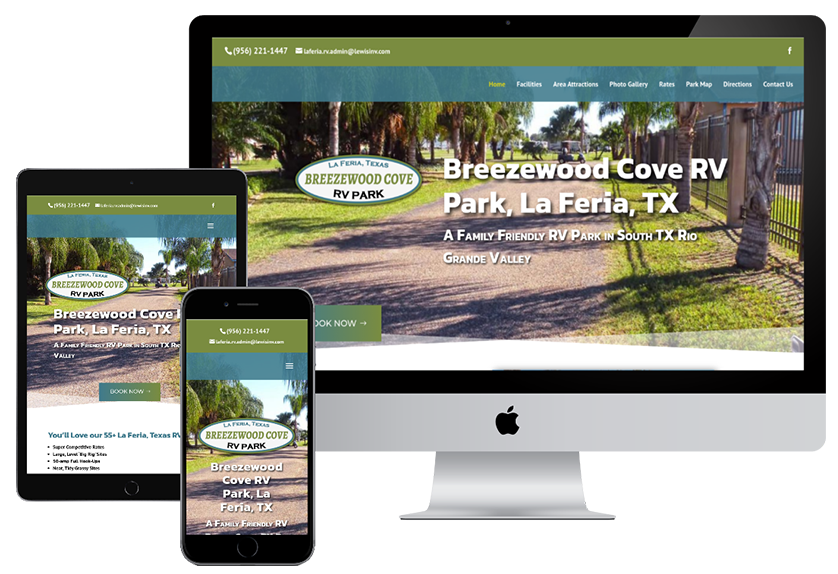
This was a new concept build for a RV Park Website. Starting with the logo, we customized the site to match the style and branding for a new RV Park business. Interested in designing your own RV Park Website Design for you and your company? Contact us today on the Get Started button on this page!